JUAN CAMILO HERNANDEZ CANTOR ©️
MEMORIES
FROM THE FUTURES
M.A THESIS
Area
M.A THESIS
Year
2025
Tags
Inclusive Design
Culture - Migration
Preventive Wellbeing
Future Thinking
Strategic Design
Location
Berlin - DE 🇩🇪
Memories from the Futures explores the tension between the impact of migration on the cultural memories of migrants in the Latin American diaspora. Providing a new future-oriented alternative for understanding and creating solutions to this universal human right.
I turned the fragility of cultural memory under systems of exclusion (often found in Global North narratives) into a space to apply the intersection of Strategic and Future Thinking - transforming the vulnerability of our memories under these conditions into creative, co-participatory healing approaches that reimagine cultural memory as an emotional and sensorial experience that supports the well-being and cultural sovereignty of the Latin American diaspora.
RESEARCH QUESTION
How might we reimagine cultural memory as an emotional and sensorial experience that supports the well-being of the Latin American diaspora?
Approach
Strategic design
Future thinking
Understanding
Synthesis
The futures


Synthesis

Research
Concept

Ideation
World building
Scenarios
Backcasting
Speculation & discourse
Implement

Prototyping


Blending Strategic Design with Future Thinking was courageous, but also a very assertive move in the early stages of this project’s management. It was the first time I overlapped these two extraordinary ways of understanding my problem. This decision created a more versatile way of de-complexing the thesis -allowing me to set more realistic goals, short-term objectives, and a flexible yet strict timeline of deadlines.
The results were incredibly resourceful and had an immediate impact on the design process, from research to the future scalability of the project.


A NEW WAY TO DO RESEARCH?
Survey
+40 responses from COL - AUS - USA - EU
Immersive conversations
Applied future scenarios in semi-structured interviews
Interviews
+ 12 Expert & user interviews
We always talk about the future, and we imagine how our research might look like. Well, here was one fo the most chaotic but satisfying parts.
Navigating the complexity fo doing design research, can be a demanding, fun and never ending phase. So to not lose this battle i had to set very clear goals at they were:
- Decolonise as much as I could how I collect academic data - balance it and highlight the diversity from both worlds (global South and global north), focusing on use cultural nuances to validate life based experiences in the diaspora (including myself)
- Have fun and pleasant conversations when interviewing user and experts
- Collecting data by immersion and foresight methods as trend scanning.
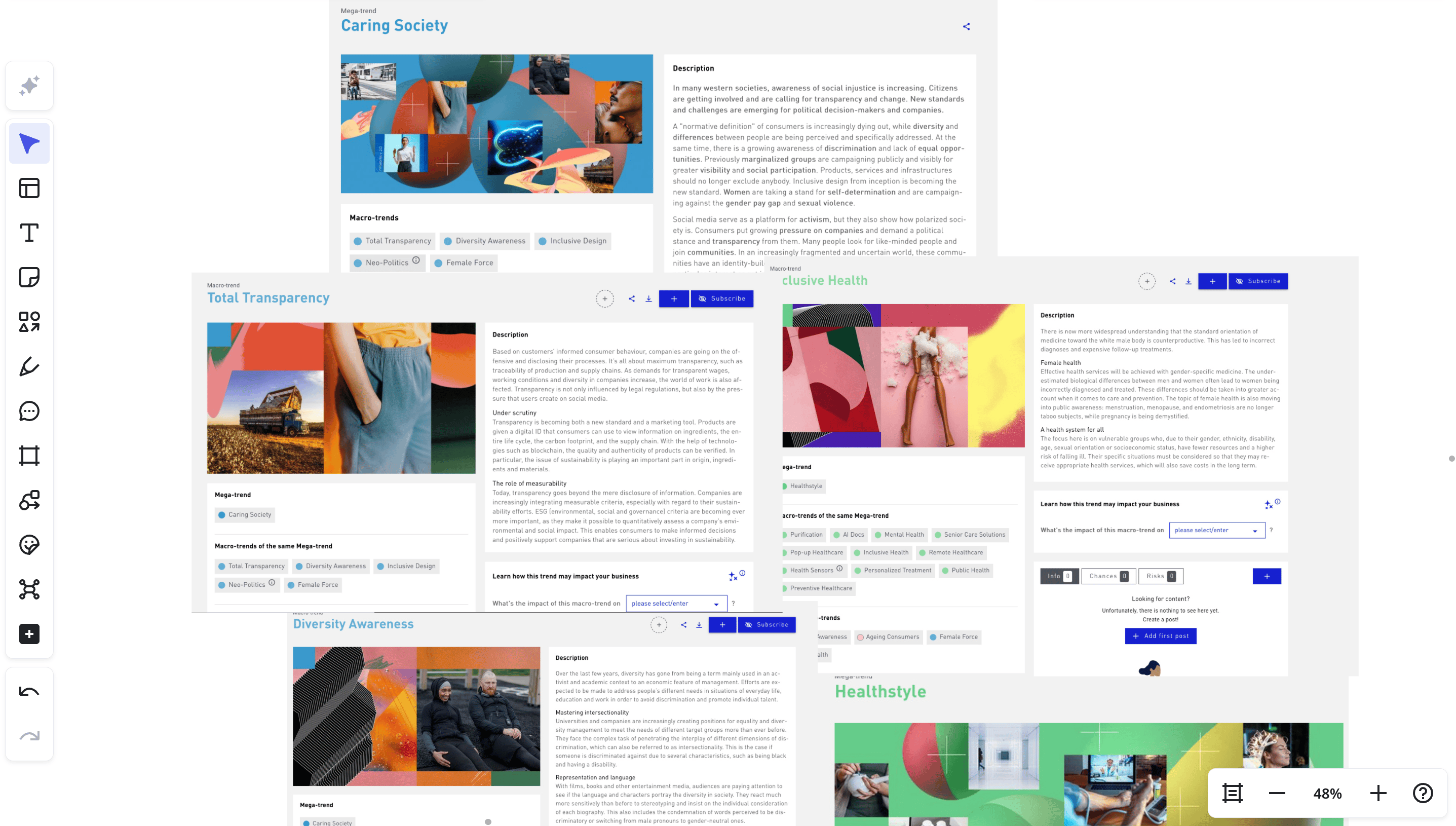
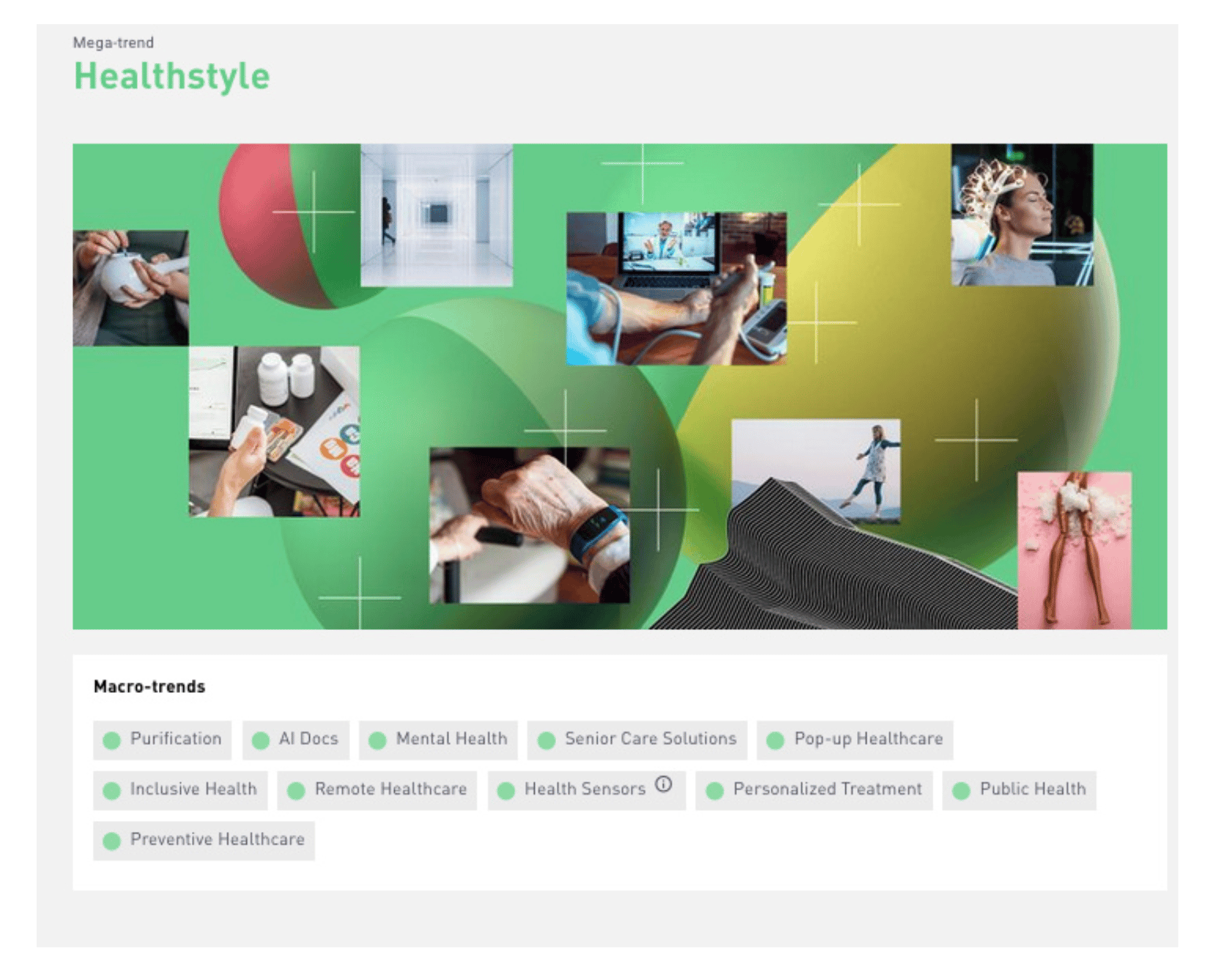
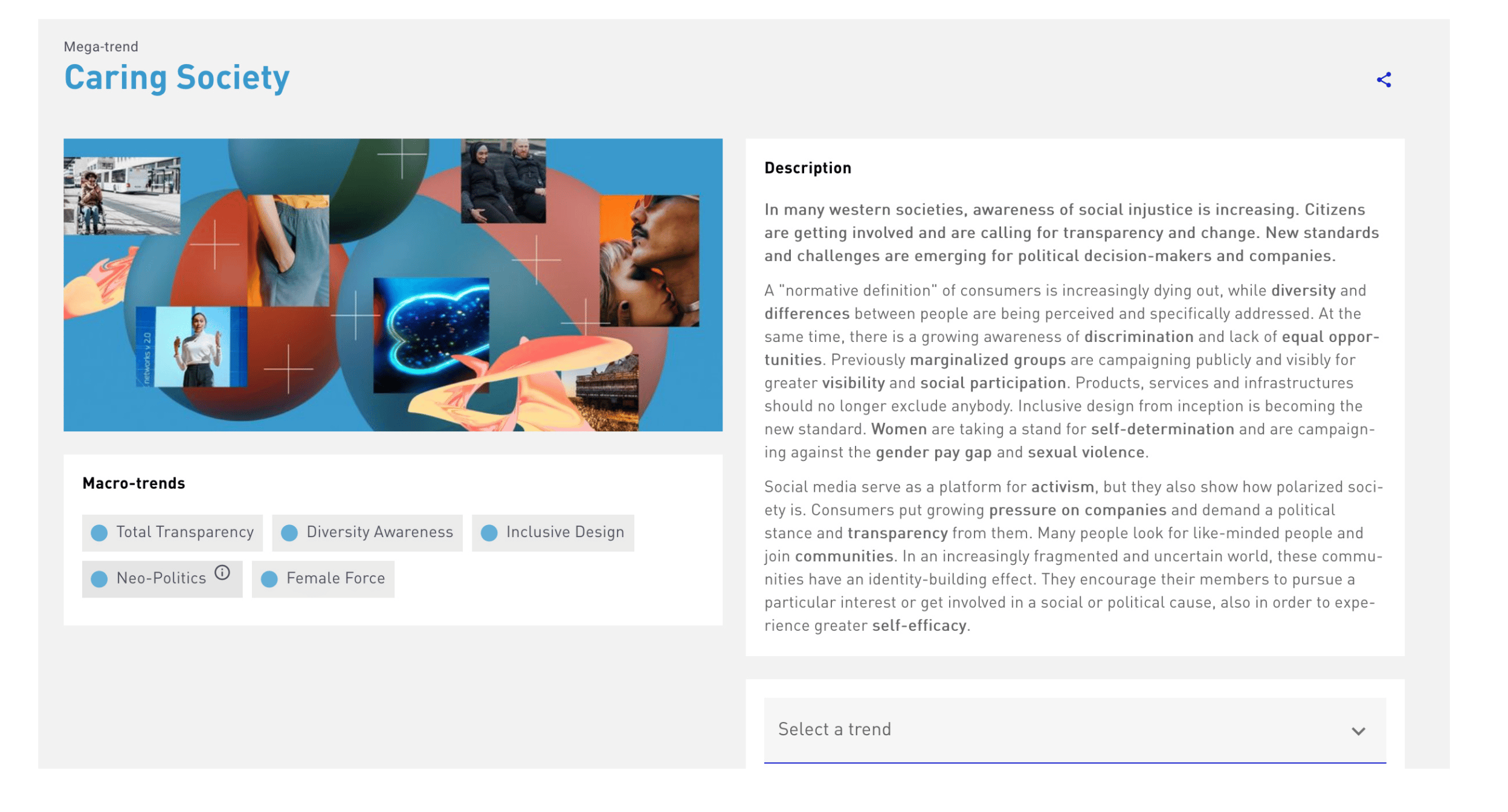
RIGHTS FOR ALL - TRANSPARENT - HUMAN AND ...
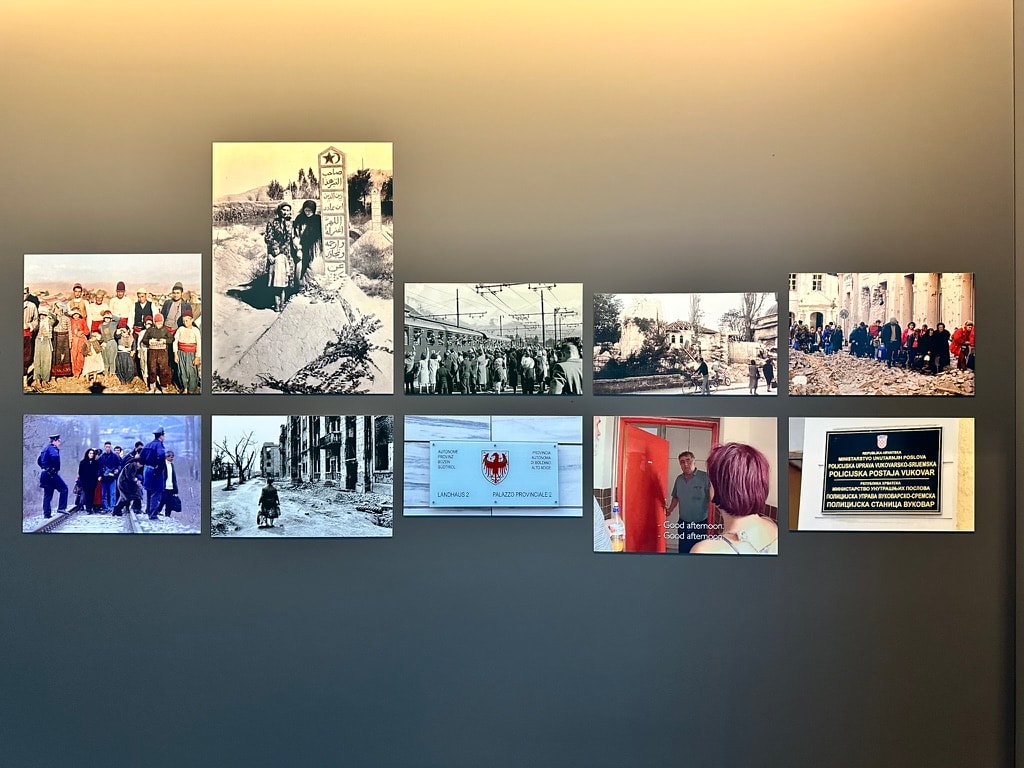
I re-discovered a trend that you can feel in the air in many global north capitals, as it is Berlin. As the city grows, more migrants come, from different realities, cultural backgrounds and geopolitical complexities. It is the responsibility of the hosting country to safe guard their well-being? do they they have the sufficient resources to cope with unfolding . a new life in foreign ground? This trend was a highlights in my research as it explores the the social responsibility and transparency of governments in include their citizens in their future decisions, in assessing humanitarian solutions.
USING FUTURE SCENARIOS TO BREAK MONOLOGUES AND SHALLOW CONVERSATIONS
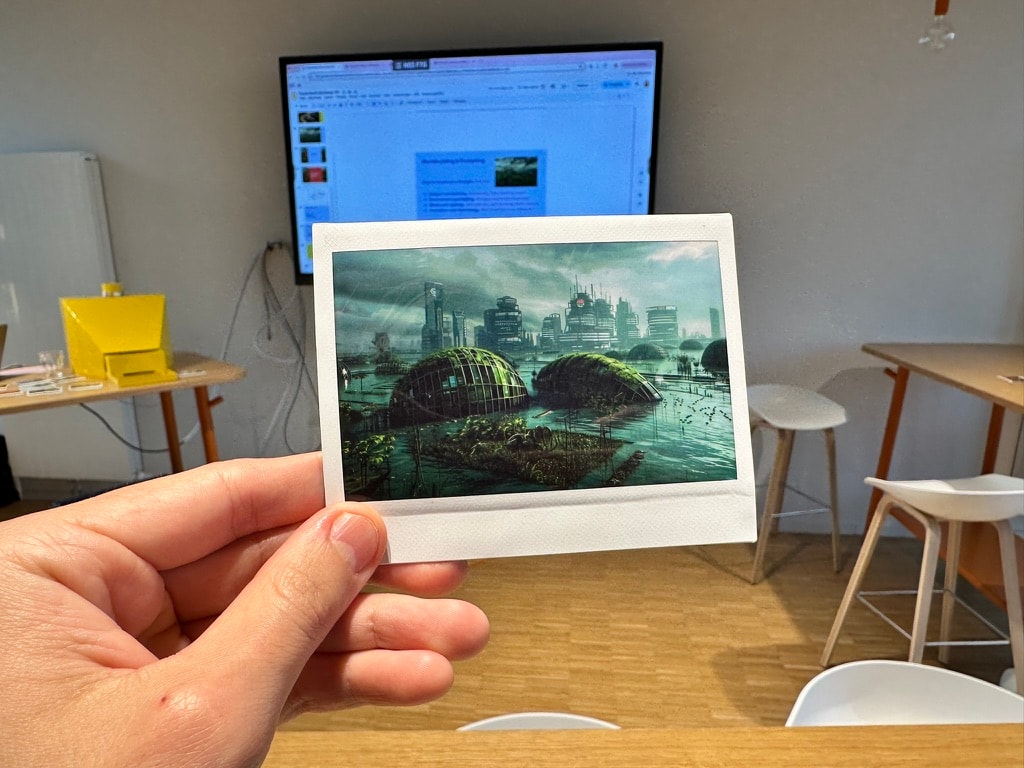
Having interview in cafes in Berlin could be extremely hipster or a very good way to explore / enjoy the creative ecosystem that the city landscape provide. Apart from this pleasure, I added more “picante” or a wild card in the semi-structured interviews. This was the future scenarios.
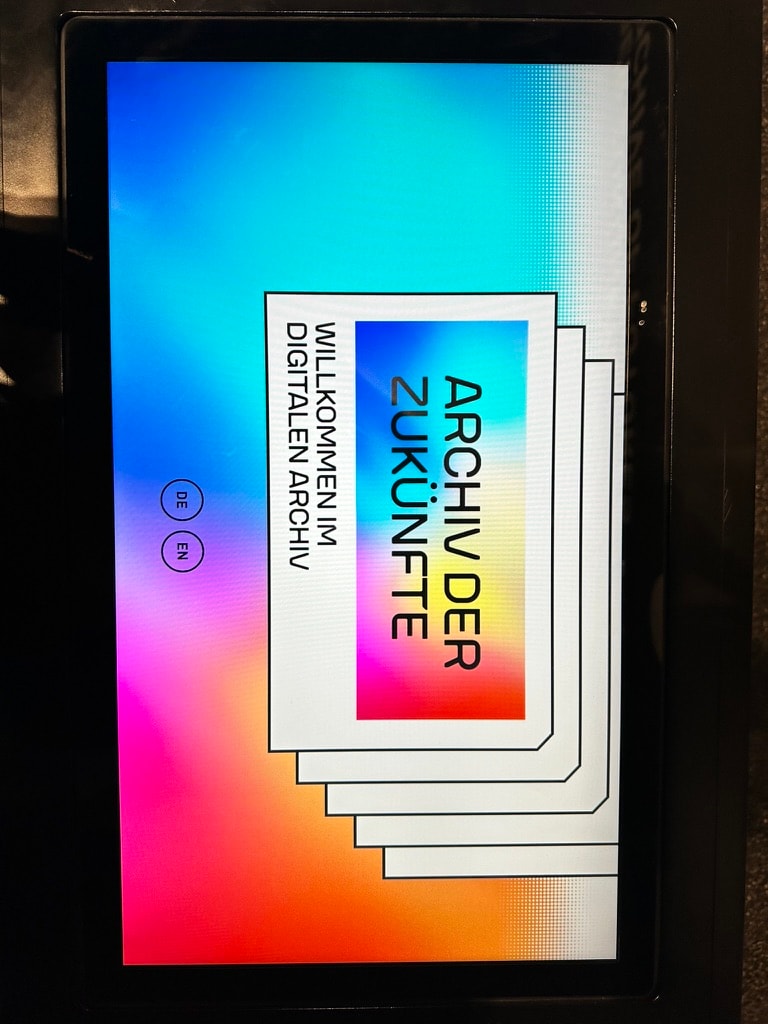
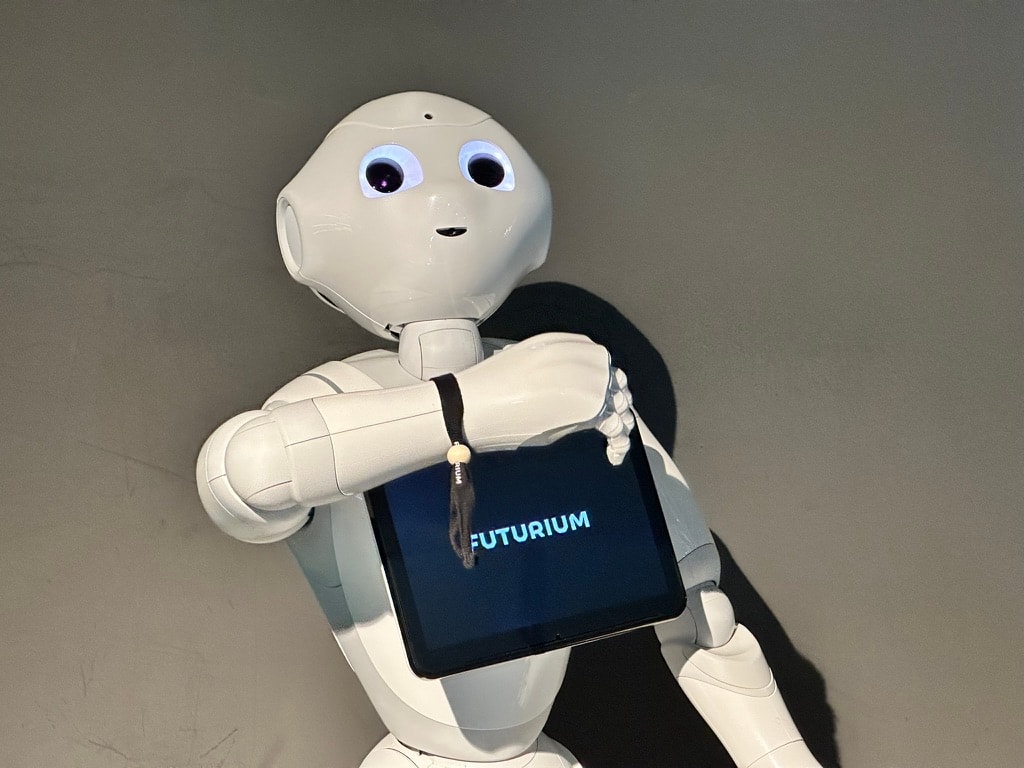
They provide a very dynamic and fun ice breaker to see how participates ( user and expert ) might think about the future of cultural memories from migrants aways from data and dominant narratives archives in museums ( as it is the present now in many western museums), the power of AI with projects like Synthetic memories or the future of society with nowadays conversations with Futurium museum Berlin
This was a game changer in my research as it helped me to be more authentic ( i am a great human connector) and to empower my way to have meaningful connections in topics that matter.

SYNTHESIS
Combos of methods
CLA + STEEP
Future scenarios
When the future meets the present
Decolonising design
Using migrant latin american centred appraoch
SUMMARY
Realising nodes, connecting new relations, making sense of data and
making sense of complexity.
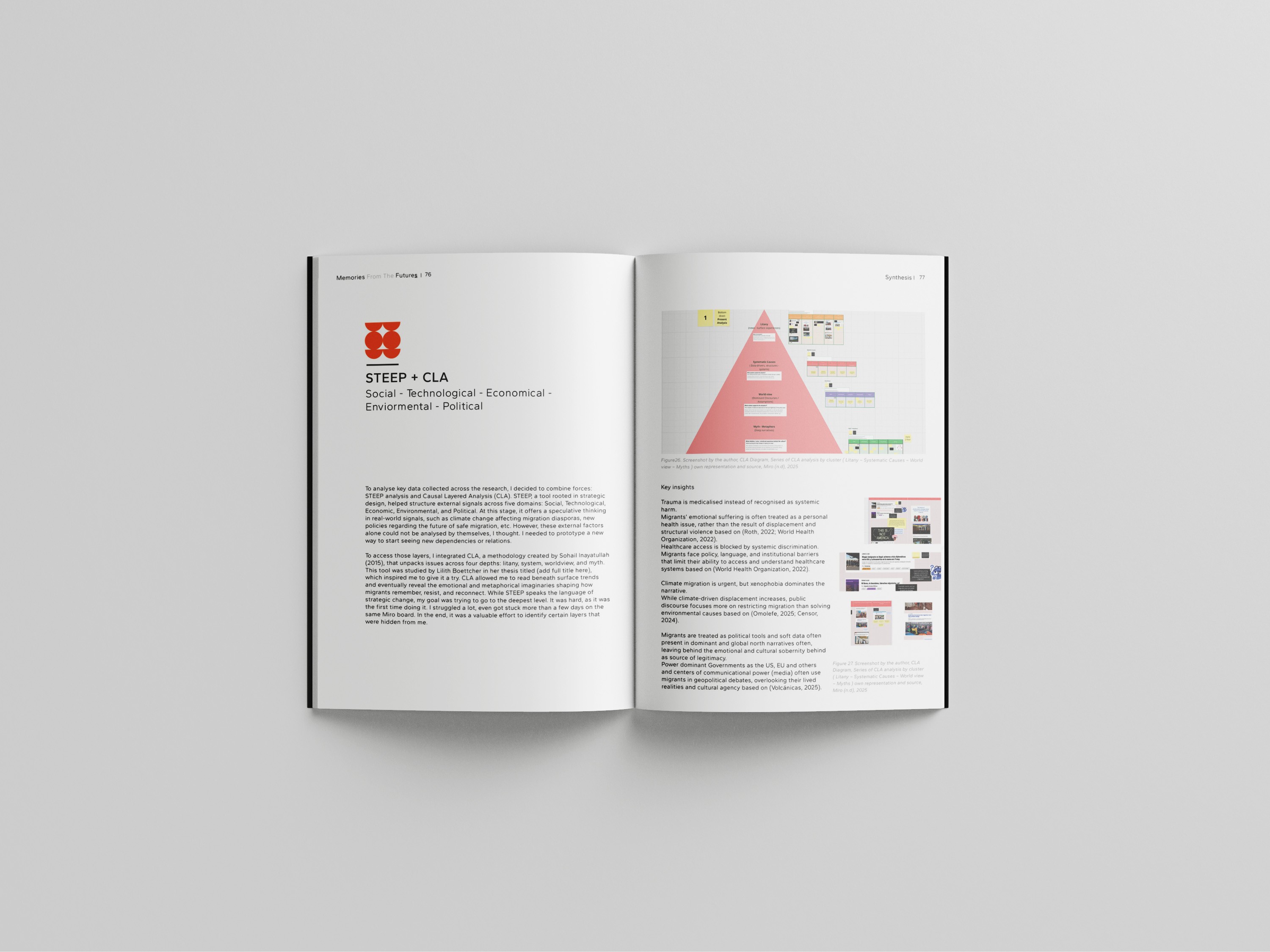
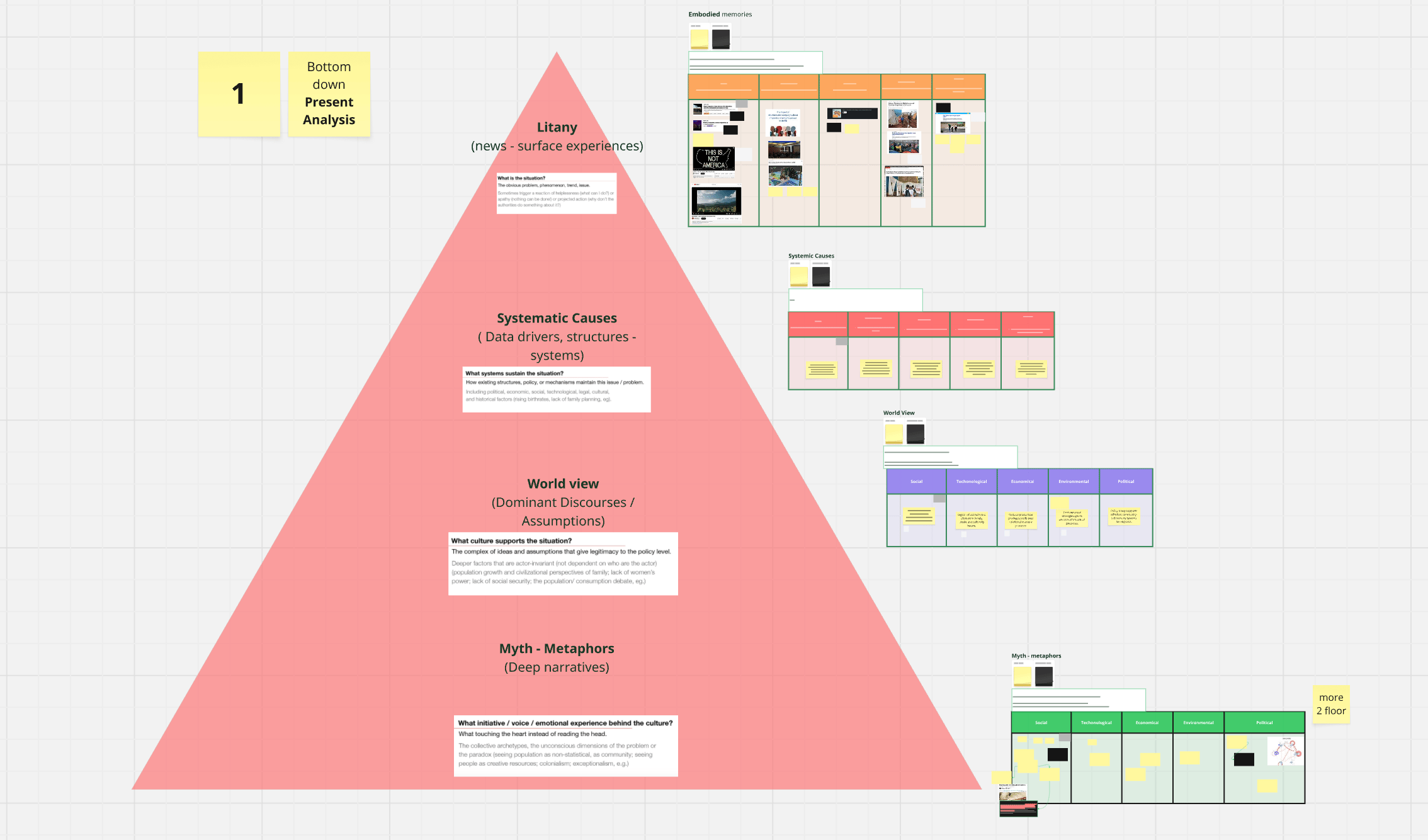
Here is where many classical design methods such as stakeholder map - journey map - personas come into place. I used some of them they are fantastic tools but I innovate and I glad I did in finding new paradgims with:
- CLA + STEEP Analysis
- Future scenarios 2nd versions
- Emotional journey of migration (decolonised - latin@ version)
- From Persona to Community personas
FUTURE SCENARIOS (UPDATED VERSIONS)
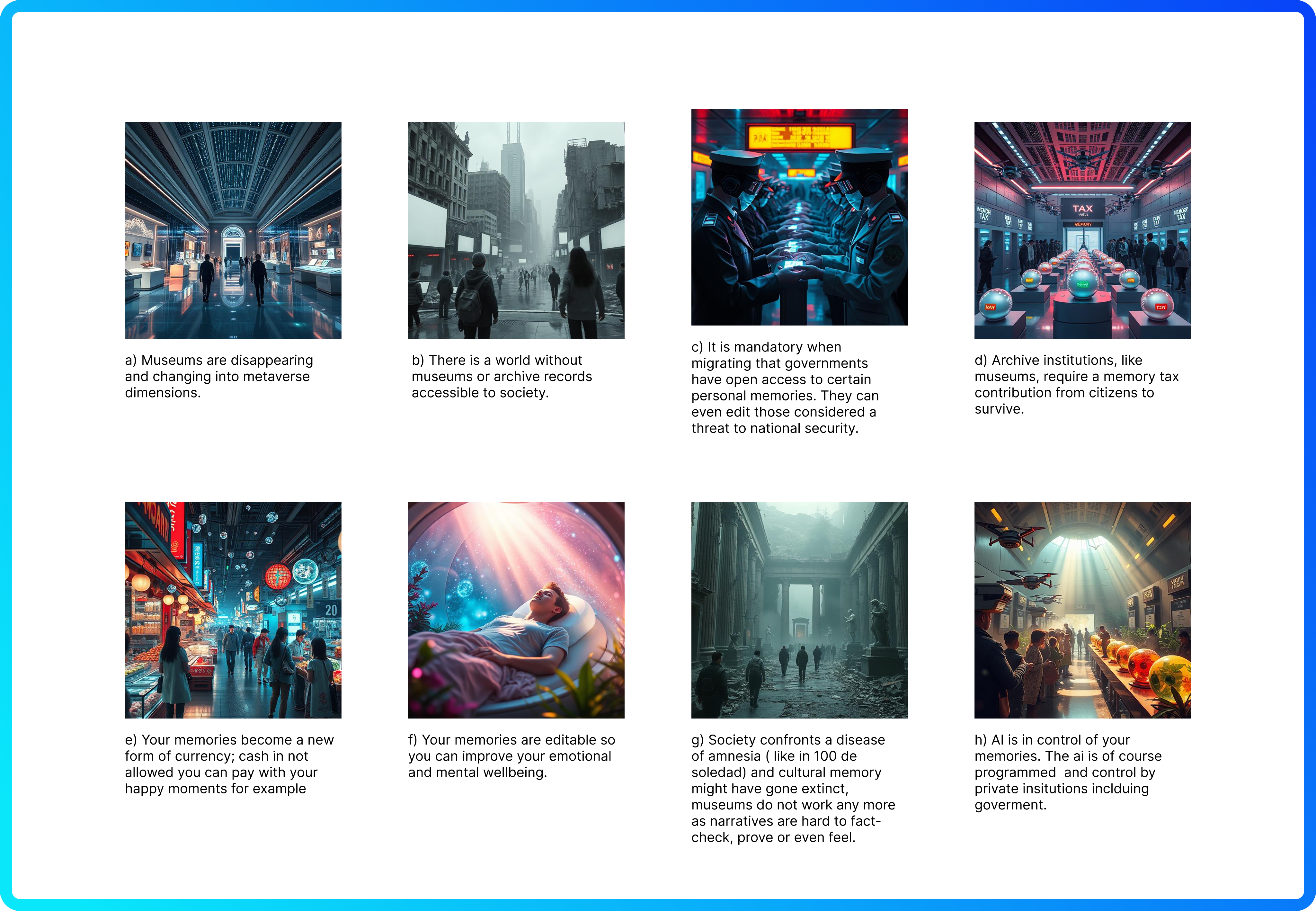
I started using AI prompts as part of my design exploration - testing how emotions, memories, and research insights could take visual form. To guide this process, I followed a simple structure: subject and activity, environment and setting, mood and lighting, innovation and technology. This method helped me translate complex ideas into clearer compositions while keeping space for unpredictability. Each iteration felt closer to the lived experiences I was trying to represent — imperfect, emotional, and real.
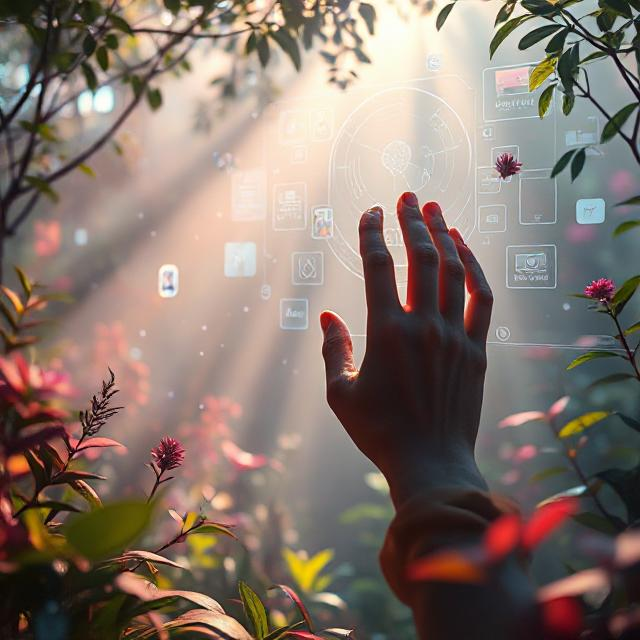
Theme: Inclusive health /
2030 +
Protecting your cultural memory well-being is a human right , terms and conditions apply .Governments roll out the Memory Healing Programme: you can tweak your cultural memories to ease trauma, reduce sadness, or boost confidence.But certain edits require official approval.
Healing Memories
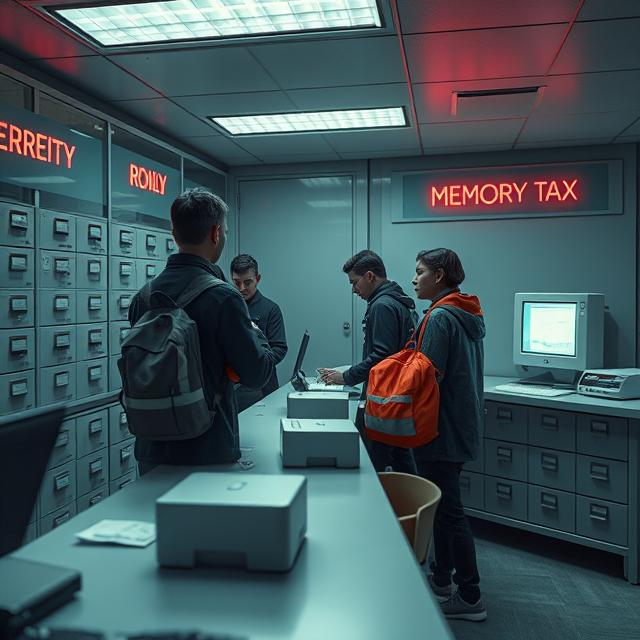
Theme: Bureaucracy | Emotional Exploitation | Institutional Irony
In 2036, every citizen is required to contribute between 10-20% of their personal memory per year to the National Heritage Database. Migrants must submit 40%: from joyful, to painful — for “diversity balance.” if asses in Germany is all in person, not digitalised experience, not experience at all
By the enf of the day , “they” hand you a receipt.
The Memory Tax

By 2040,
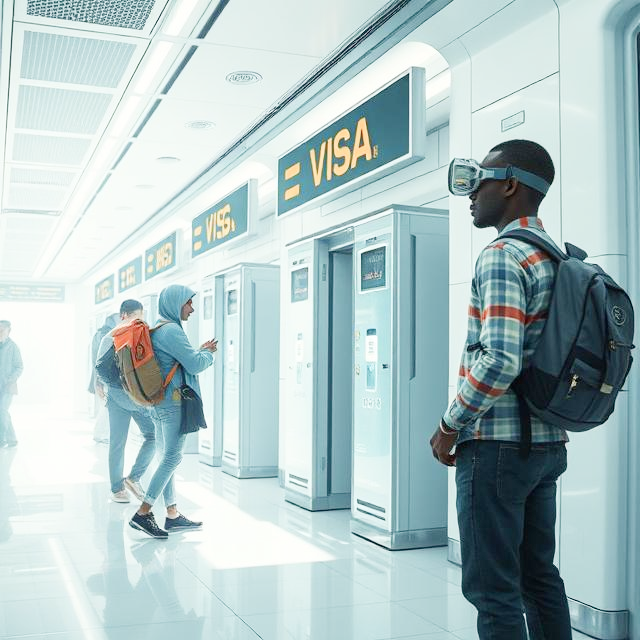
migration includes a Memory Scan Protocol.Borders now check your emotional journey: “harmful” memories must be flagged, redacted, or sterilised. Cultural Memories that represent any kind of threat to the hosting governments, can flagged as “too destabilising.”. “You might enter, still doubtful, but u got instant green light if you only accept to be “naturalised” based on government migration policies guidelines.
Cultural Memory now needs a visa too

Theme: Inclusive health / Inclusive design / Point of exp
2035+
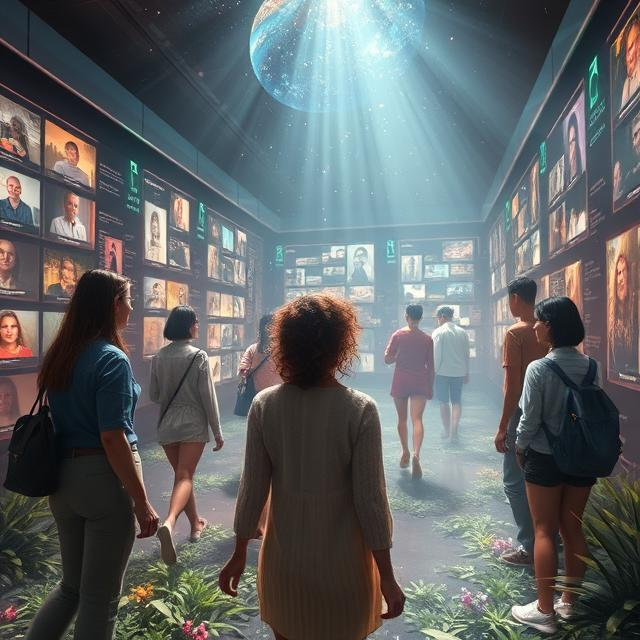
Most public museums or archives are virtual. They pull your cultural profile and generate a personalised “cultural experience” just for you. You log in to find your migration story… but it’s been auto-corrected. Your mom speaks to you in English?. The food is gentrified or misinterpreted . Your memory feels like made it up, blurry, fake. It’s not your memory — it’s one they think you’ll like.
Archives That Remembers You

Theme: Gamified Identity | Cultural Extraction
2035+
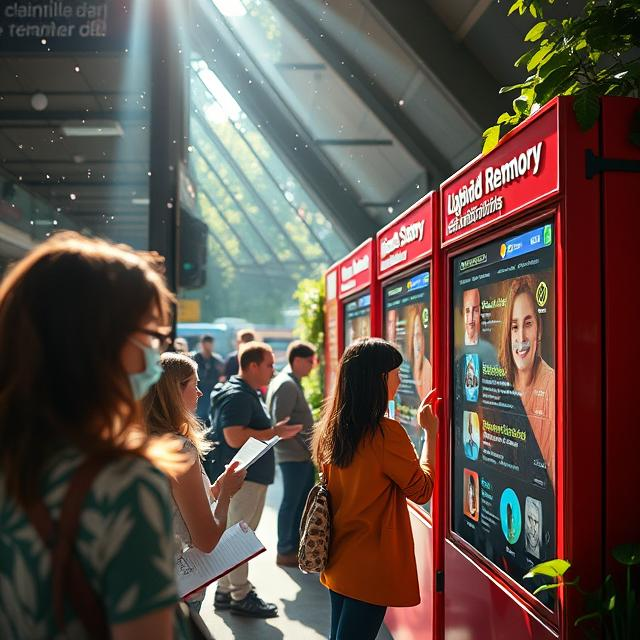
A public-private spaces offers memory points. Share a traditional recipe? +50 points. Upload your vulnerability of the day ? +100.Enough points and might get faster visa processing or discounts at the coffee shops, BVG tickets, etc. But each upload is owned. You can’t delete it. You don’t control how it’s used.
Welcome to the algorithmic folklore economy.
Memories as currency

Theme: Collective Amnesia | Existential Loss
is 2040+
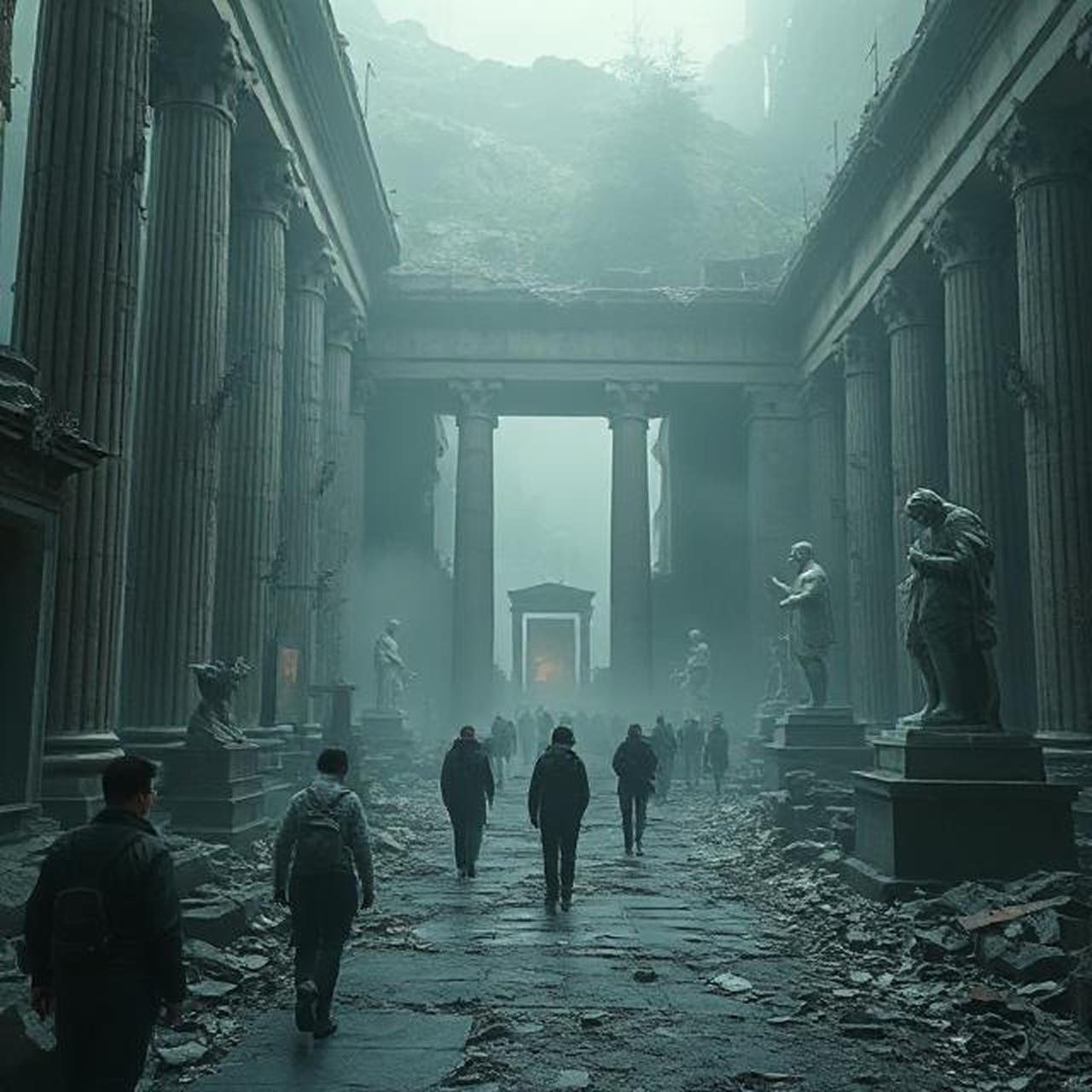
Like in One Hundred Years of Solitude, a global wave “disease” of emotional disconnection hits.
Society can no longer distinguish between real and fabricated memories.Narratives fade. Archives are glitchy. Elders are ignored. Society start losing access to their cultural roots — not by force, but by forgetting. society forgets how to remember. Museums become useless — narratives can’t be verified or felt.
Society Suffers Cultural Amnesia
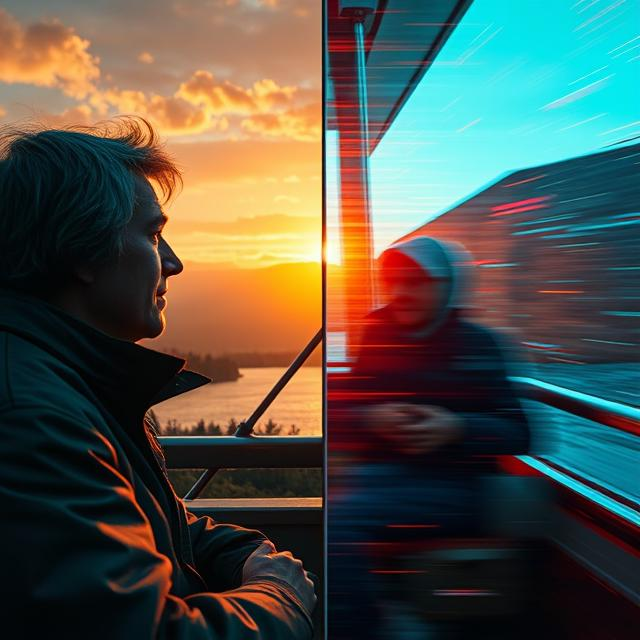
Theme: Class Divide | Memory Inequality
2035+
Memories can now be stored, protected, and replayed — for a fee.The elite subscribe to high-fidelity memory safes: their childhoods in 8K, their griefs colour-graded.Migrants and the working class store theirs in glitchy, free platforms — low-res, ad-filled, sometimes deleted.
Who can afford remembering

MIGRATION JOURNEY MAP
DECOLONISED - LATIN AMERICAN VERSION
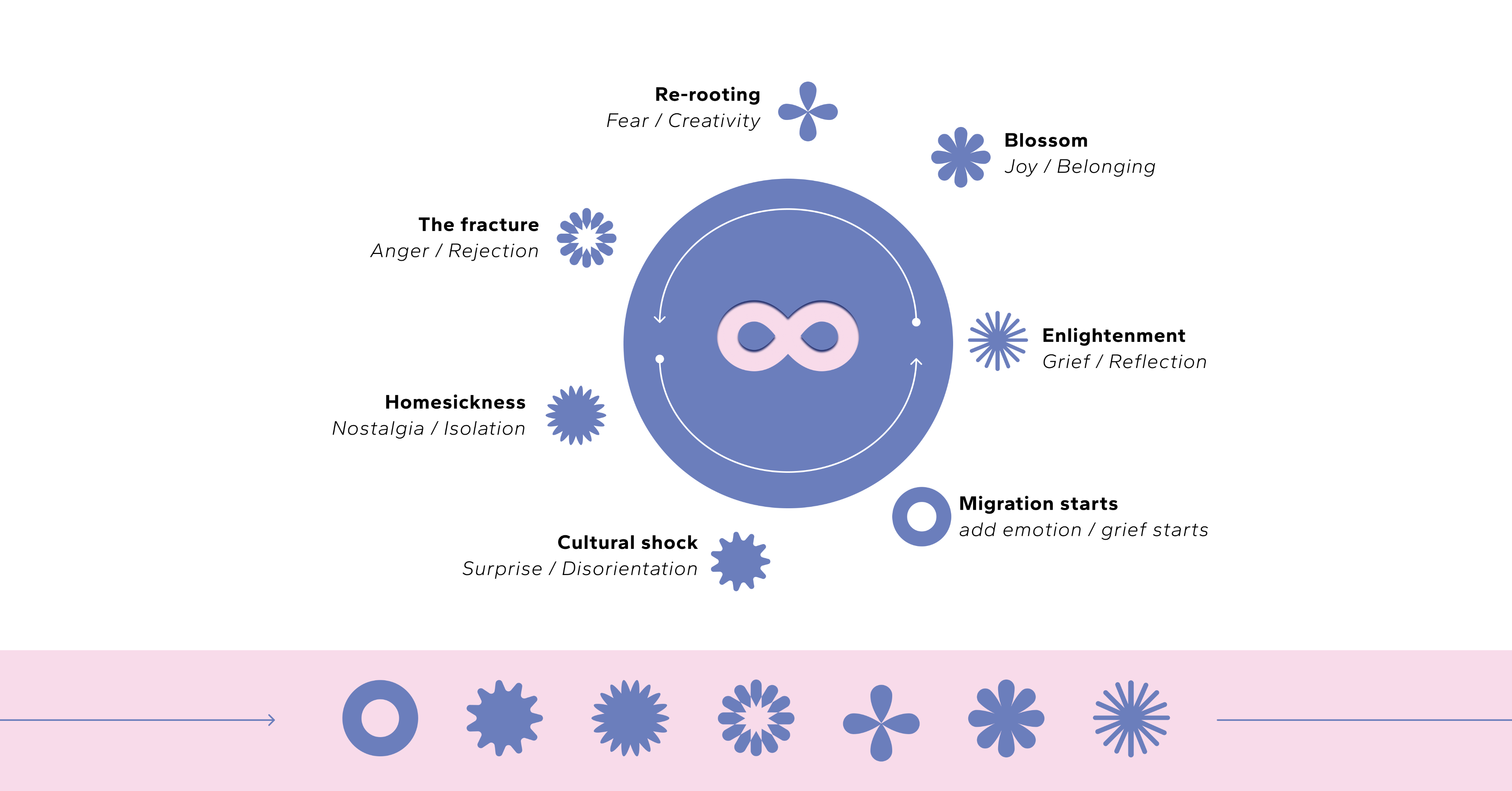
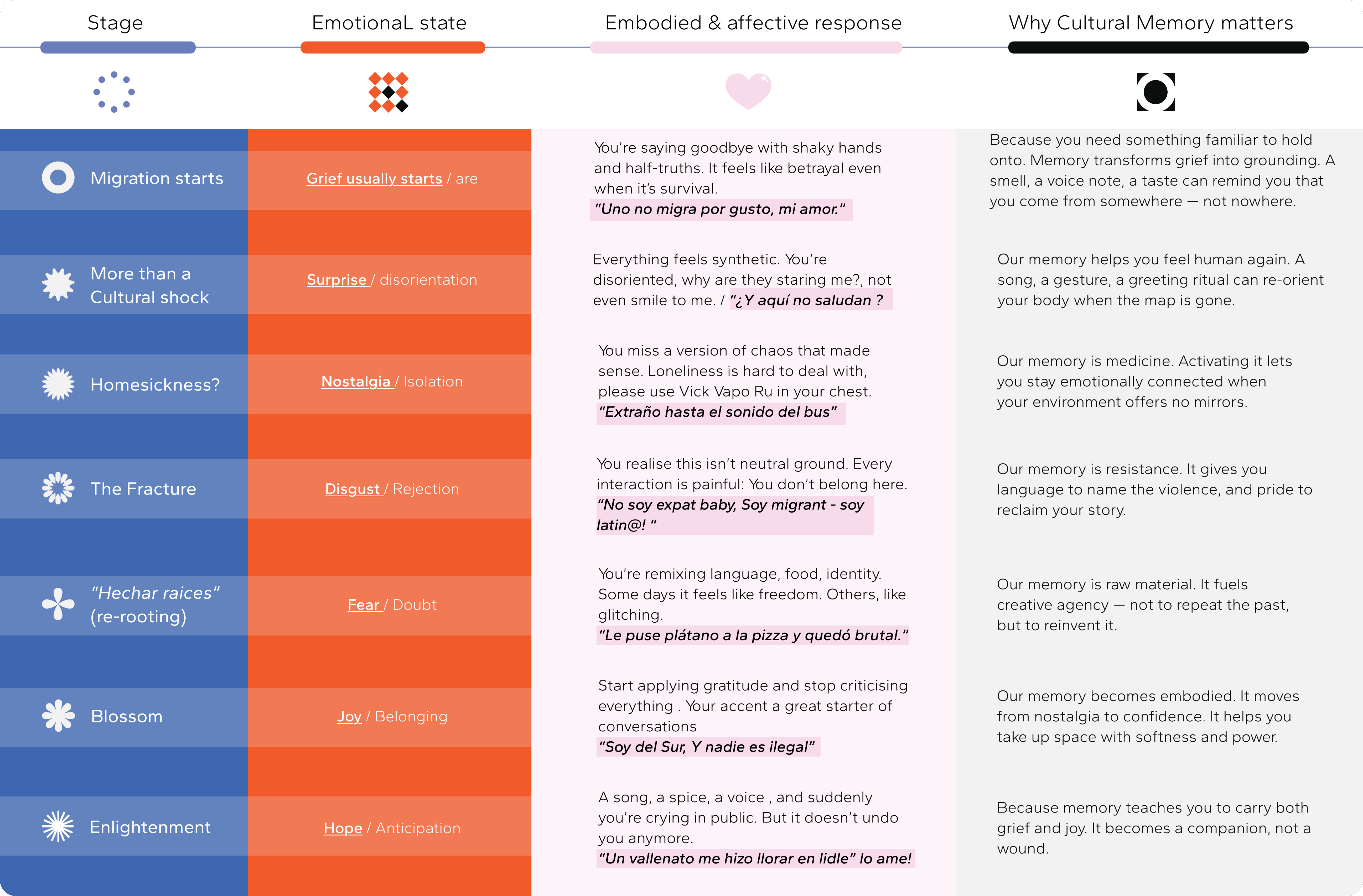
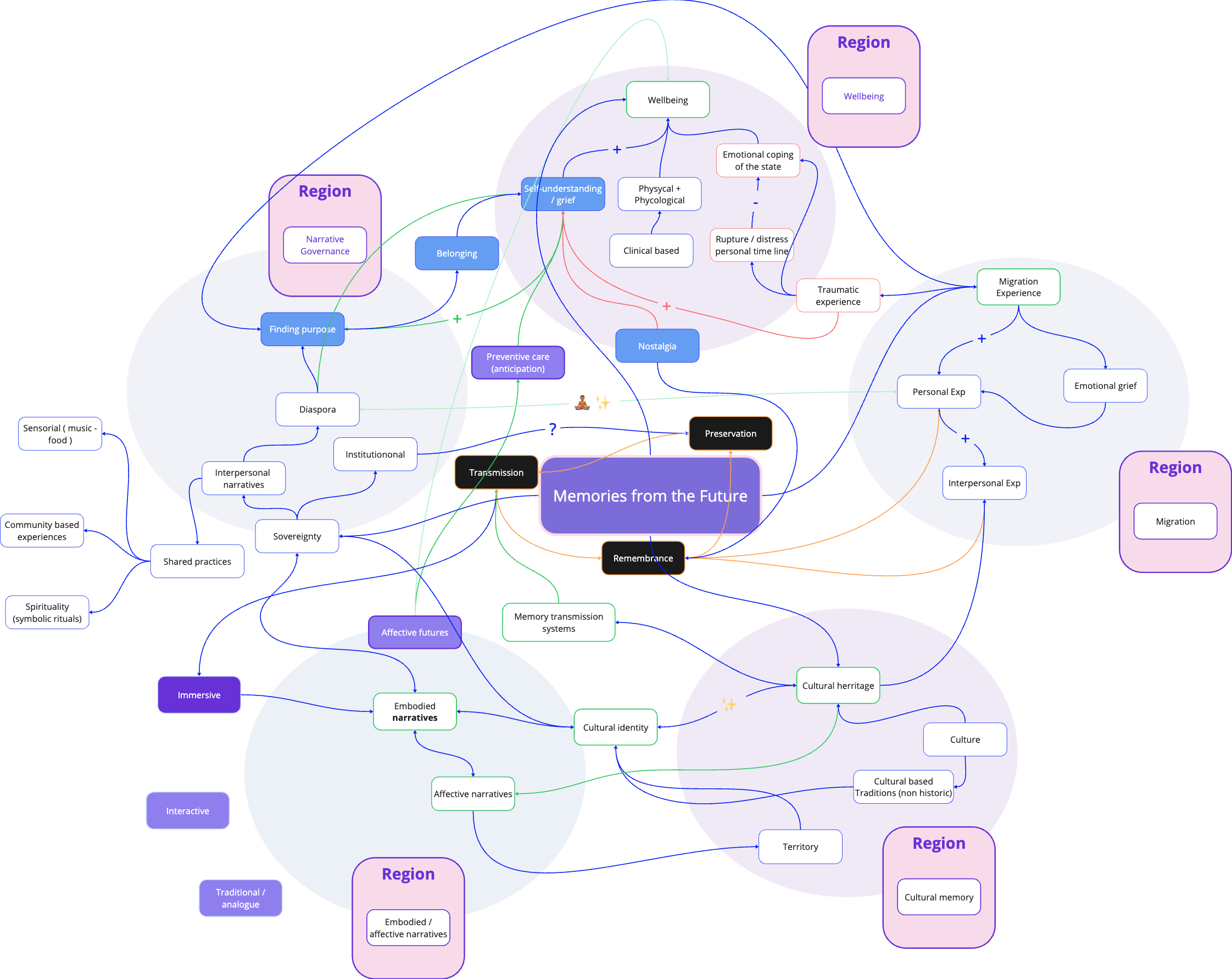
Migrating will always involved a tension, even more if that wasn’t your arbitrarily choice. In westerns clusters countries which rely on migrant labour to sustain their economies for example, their approach of migration is always steady, predictable and “easy”. Across my research I found common pains, in which this stereotypes only reinfornce this dominant and not inclusive narrative to advocate for migration as human right not a burden or just simple humanitarian wash aid. The links were obivus, to ouis that are often misunderstood, sterotpsied and fragmented. I propose a new way to see this, in wich our memories are not detacched from their embodided layers, their emotions.
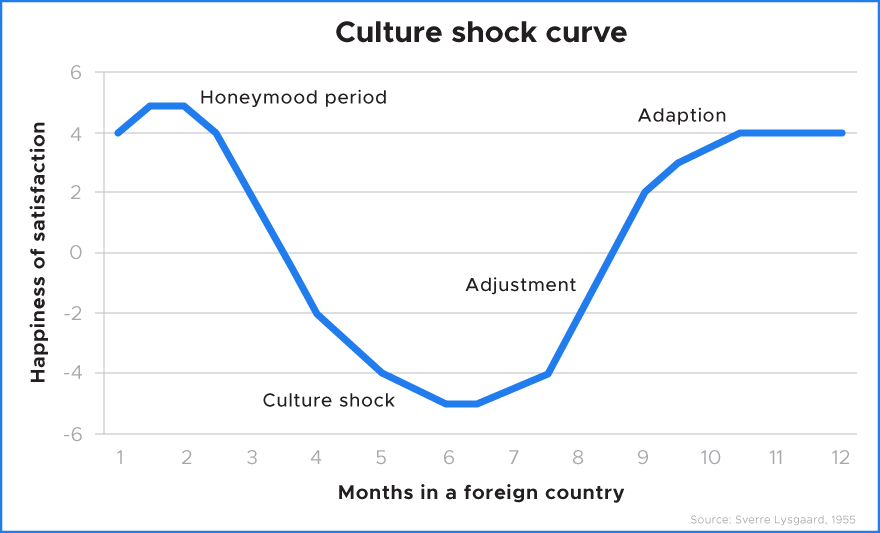
Current representation of migration in global north narratives
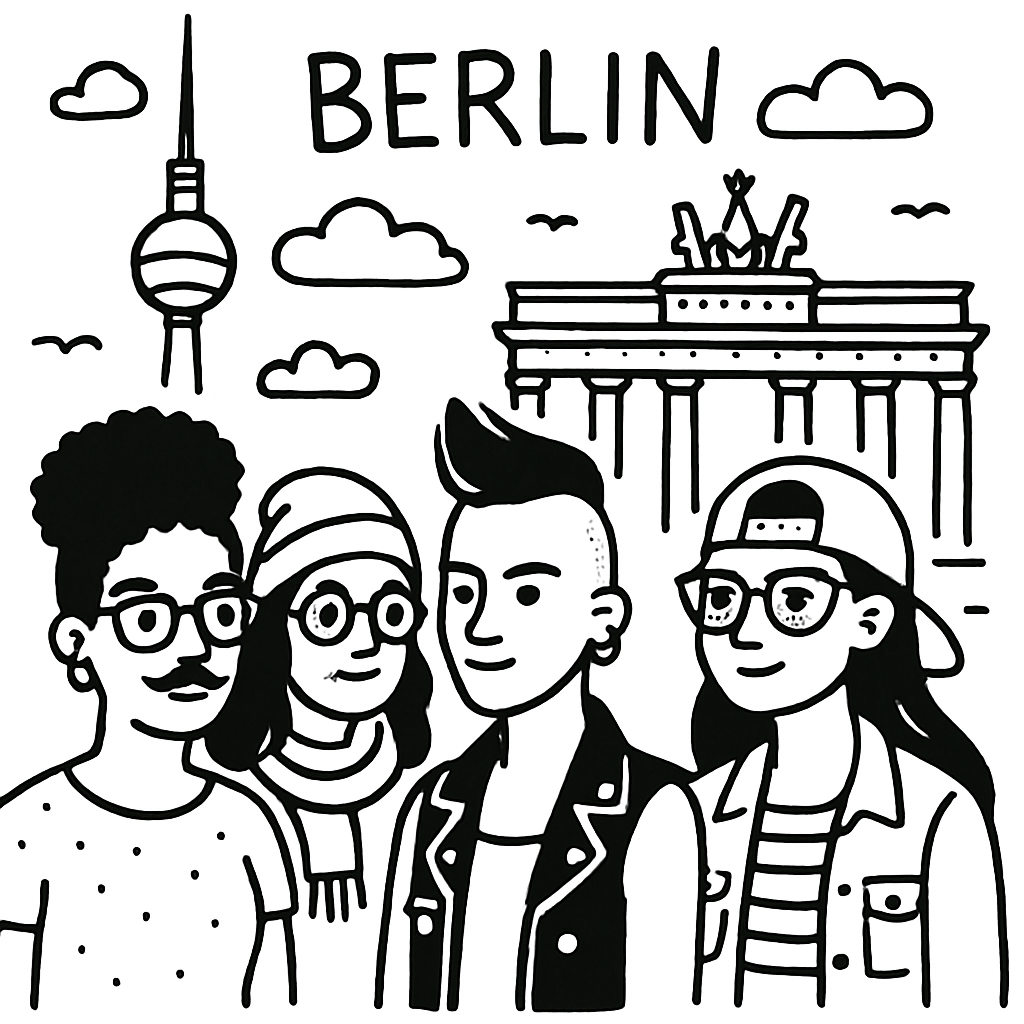
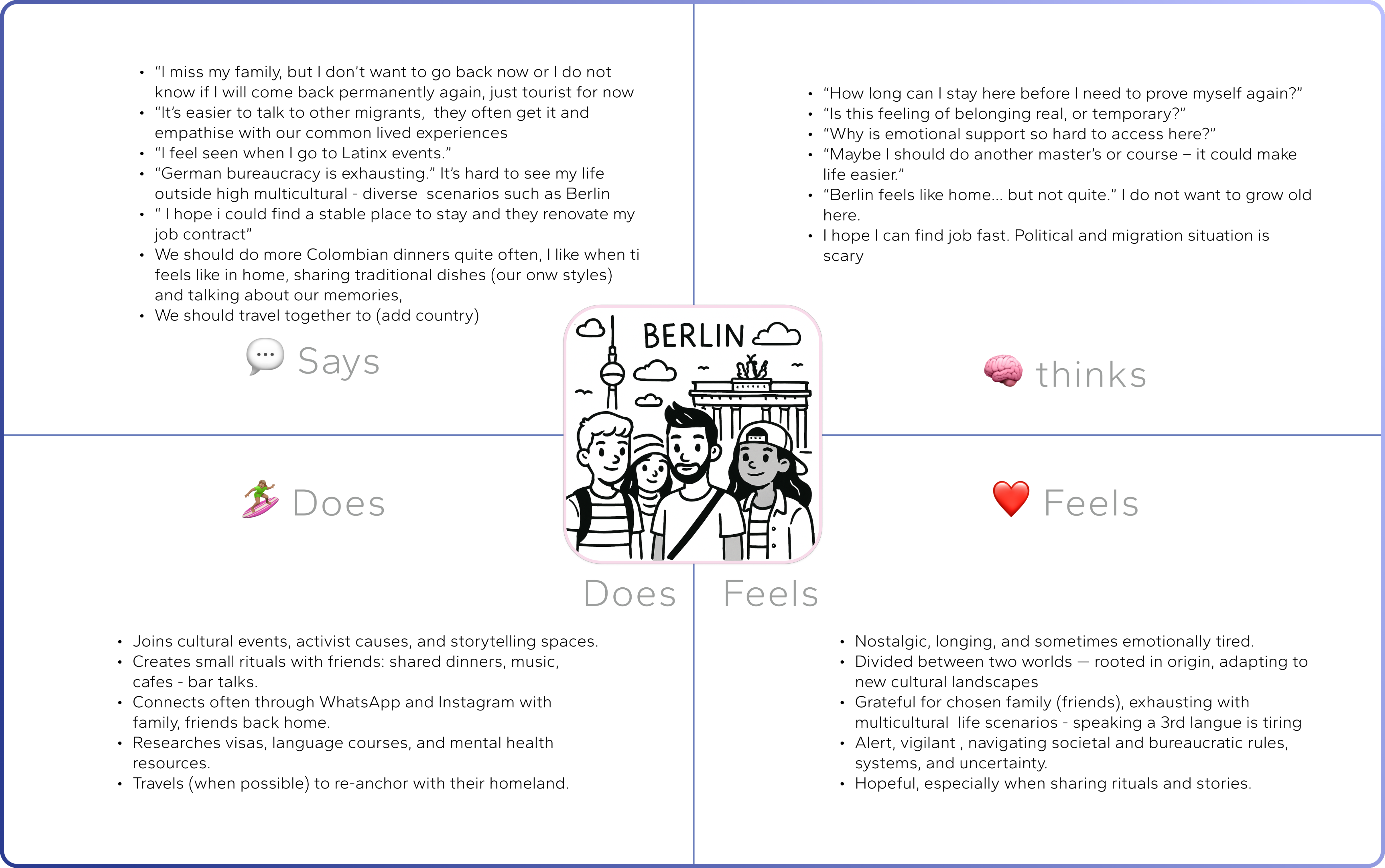
COMMUNITY PERSONAS
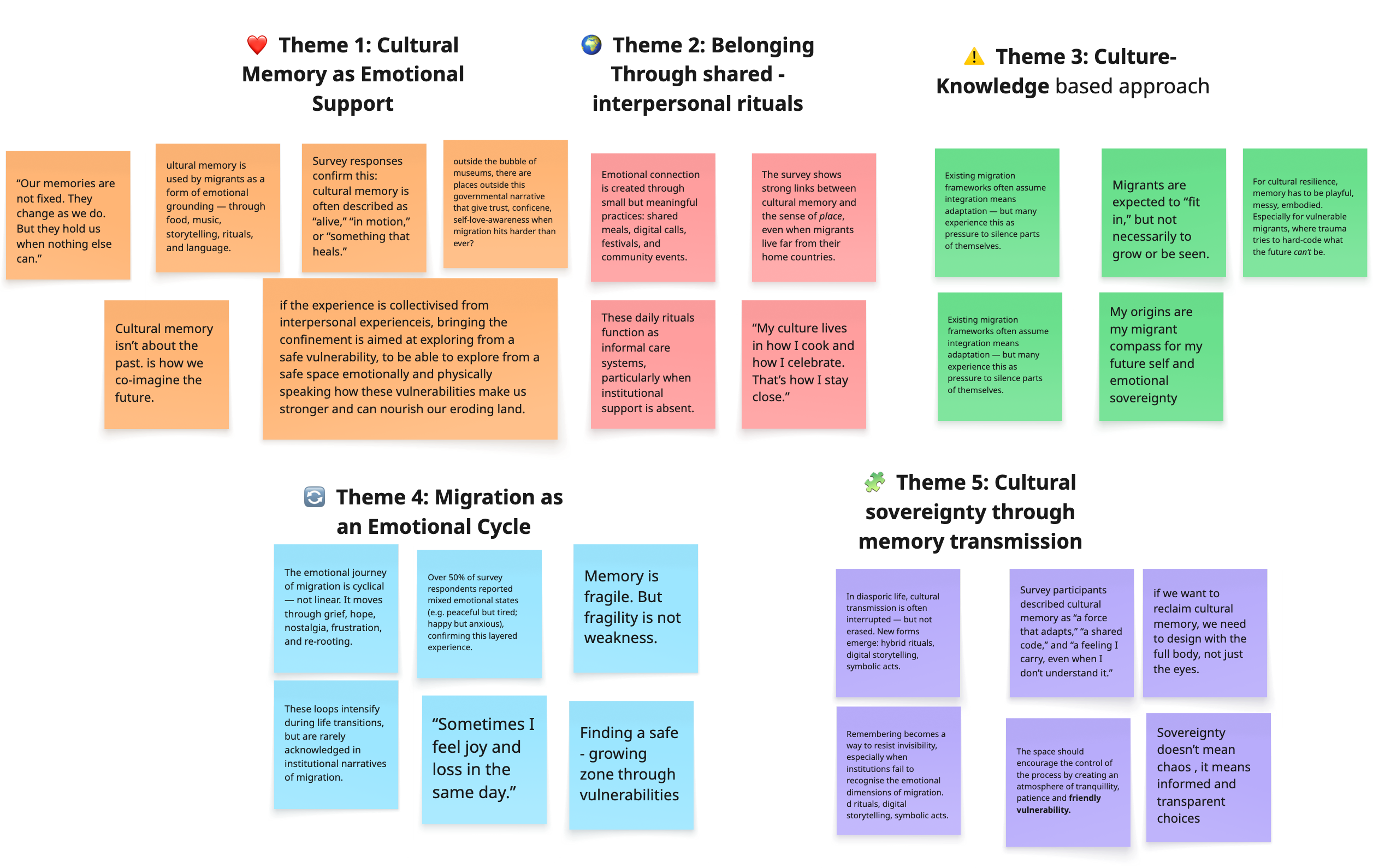
I decided to move from individual personas to community personas because the experiences I was studying were not isolated but collective. Migration, memory, and belonging are shaped by shared emotions, rituals, and social networks. The community persona allowed me to represent these interdependent dynamics — not a single user, but a living ecosystem of voices, needs, and memories influencing each other.
🖱️ Scroll right →

IDEATION
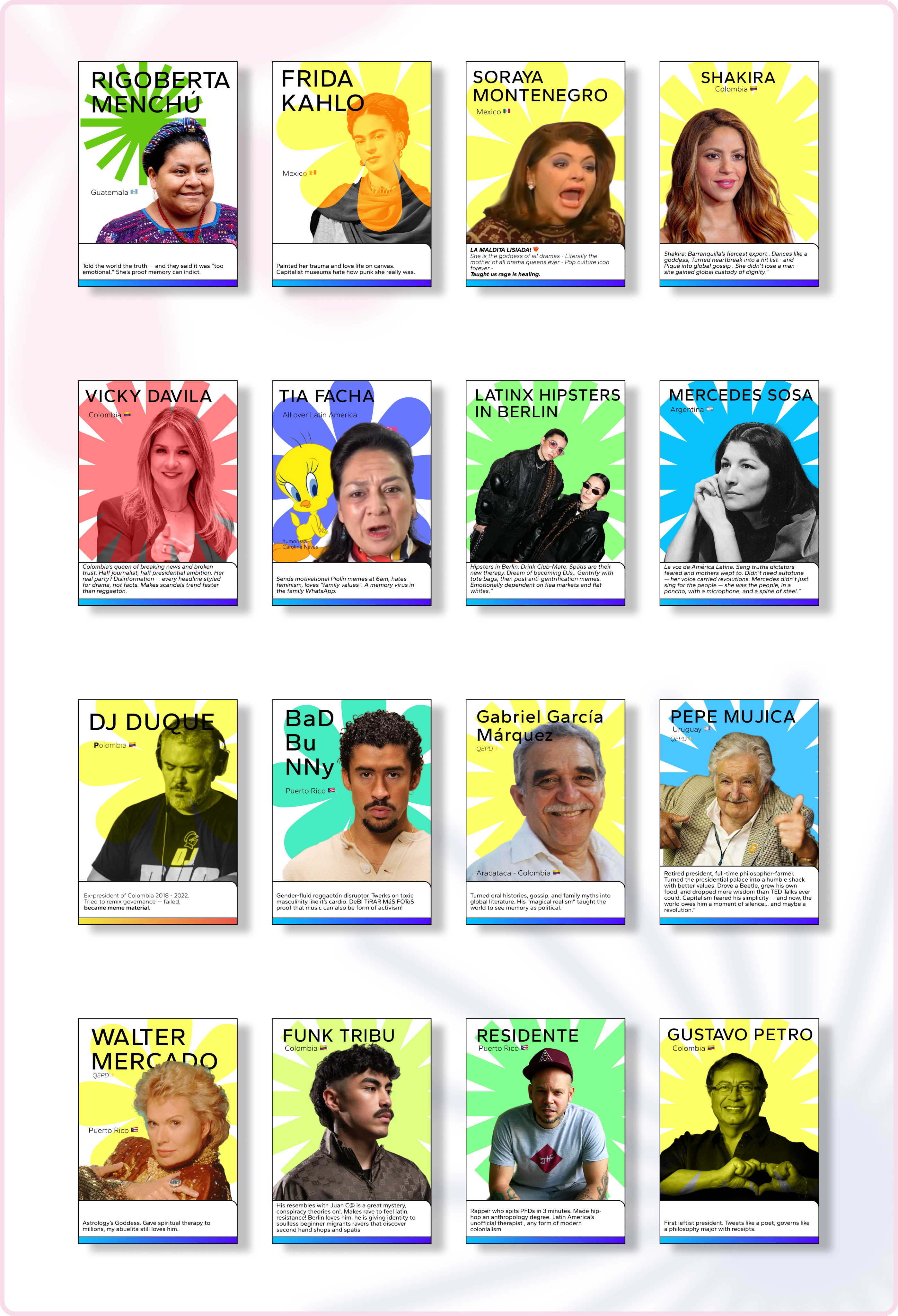
Multicultural worshop
+15 participants from
(🇨🇴 - 🇲🇽 - 🦘 - 🇮🇳 - 🇨🇷 - 🇹🇷)
Blending ideation methods
X3 stages - 3 Methods to stimulate creativity in a immersive - inclusive and fun way
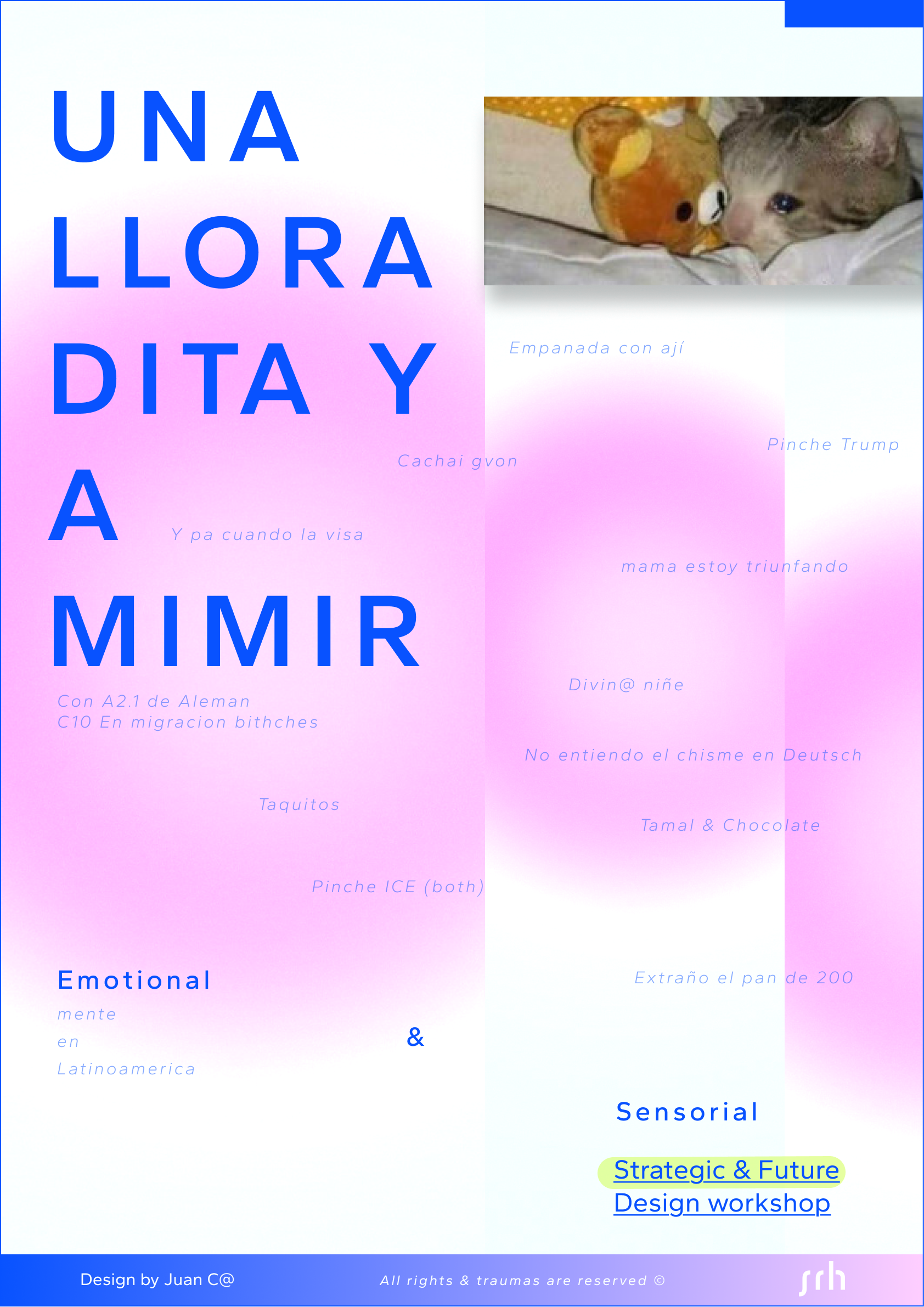
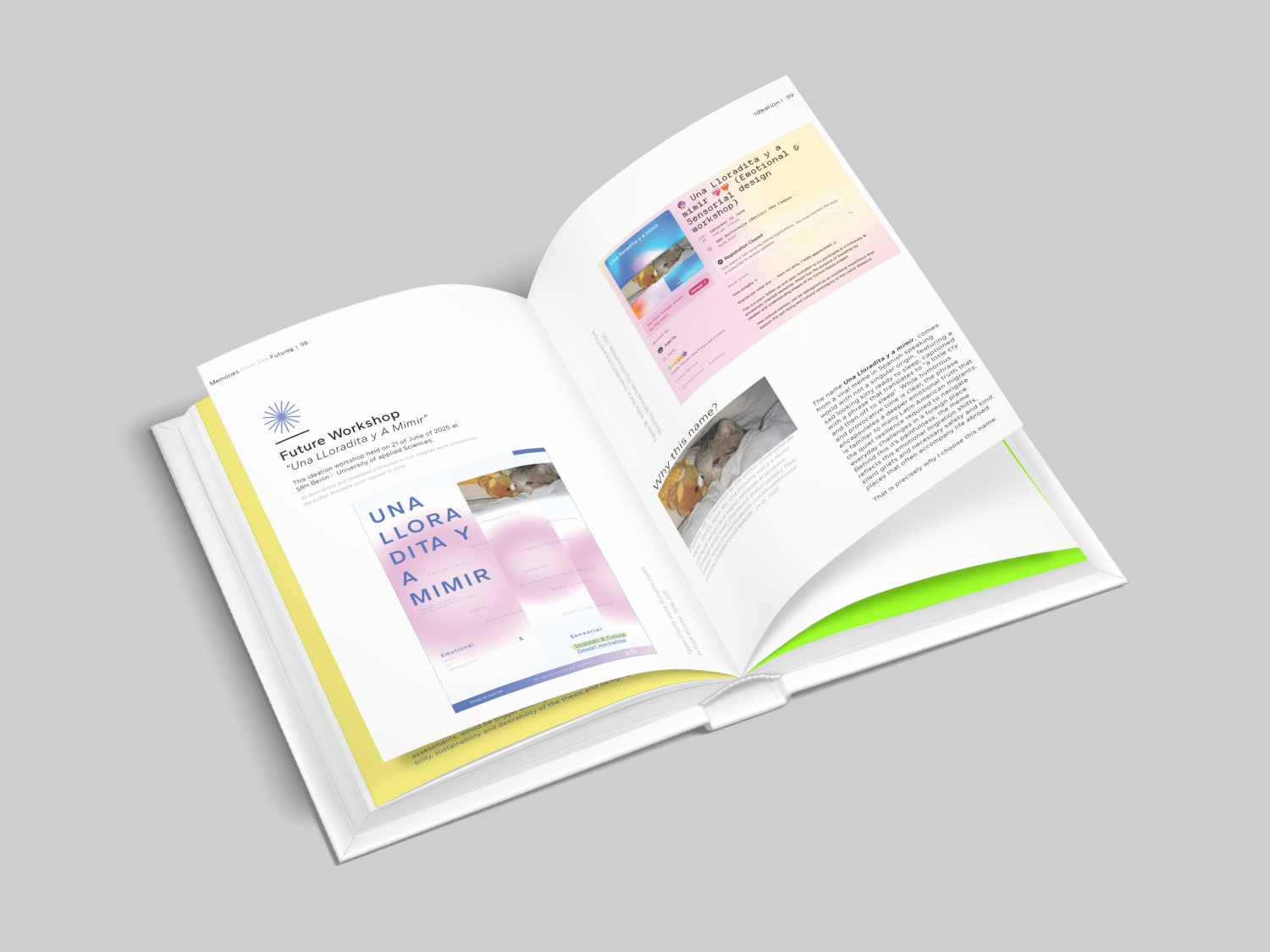
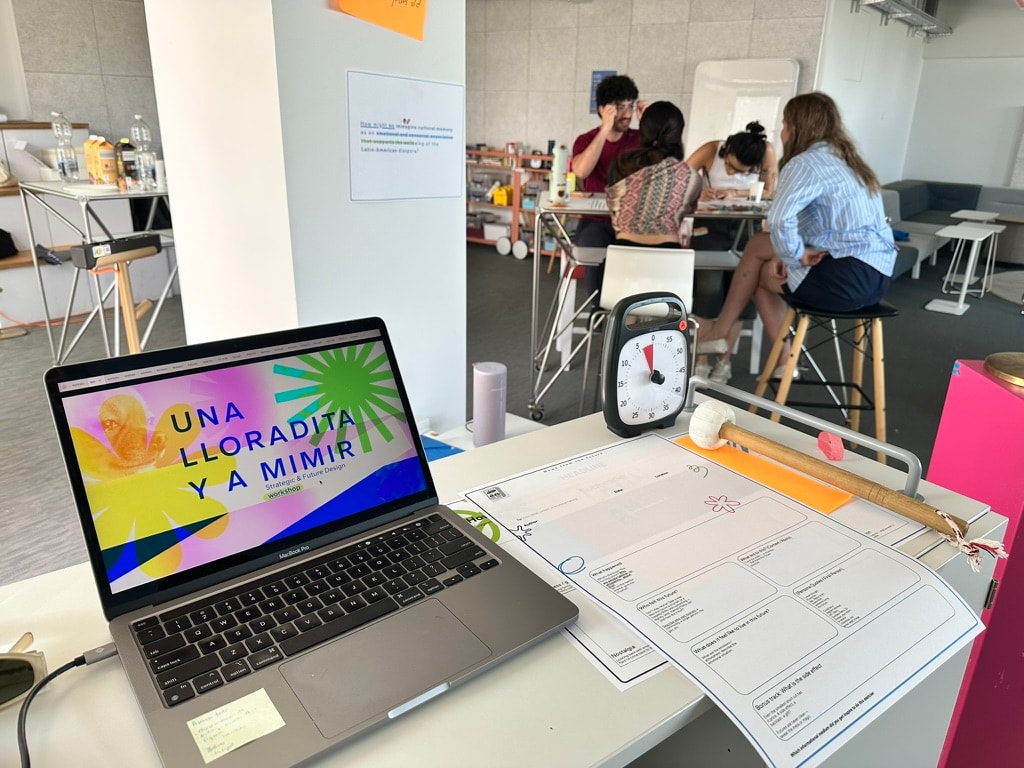
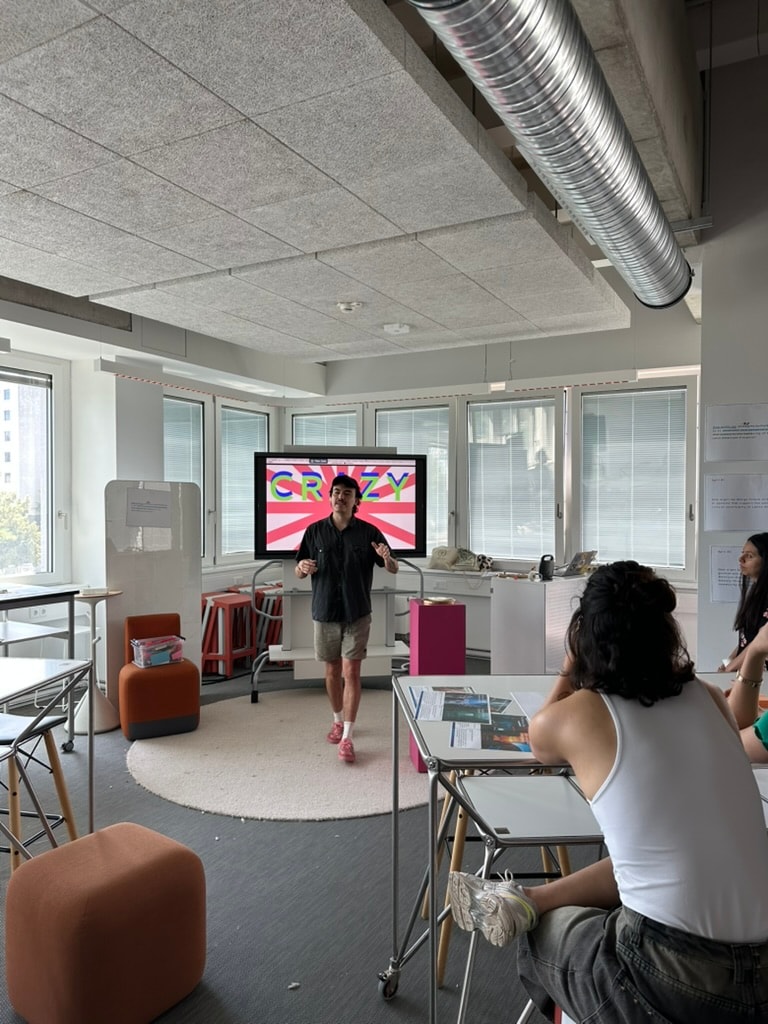
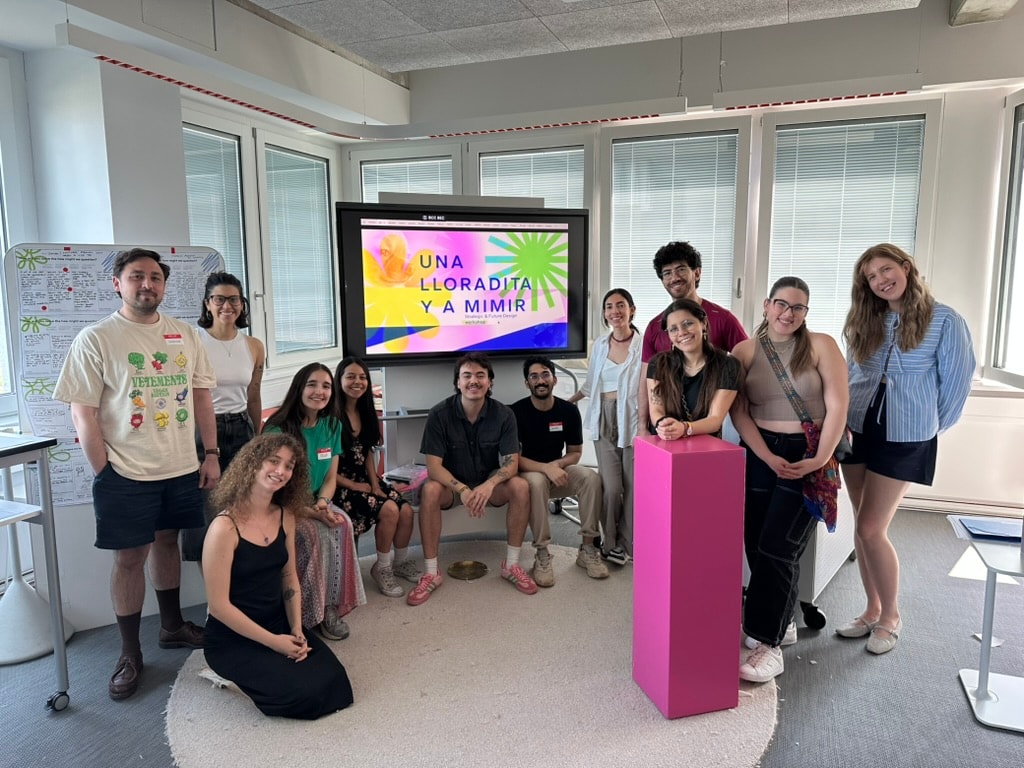
UNA LLORADITA Y A MIMIR
A future oriented workshop
OBJECTIVES
- Have fun but also use the vulnerability of migration to trigger more emotional-centred responses, those who do not run away from the emotional state of migration (based on the emotional cycle of migration).
- Blend strategic design + foresight methods to harvest wild realistic/future ideas.
- Use satire and emotional-centred approaches to unveil hidden latent needs in the participants’ thinking.
- 2x1: Test and iterate assumptions from synthesis beyond the academic scope using foresight thinking.
- Centred ideas in pre-existing scenarios (those used during the interview sessions but improved).
LESSONS
- Emotion is data. Vulnerability is not a weakness - it’s a door. The workshop showed how embracing the emotional state of migration can open deeper, more authentic conversations about belonging and well-being.
- Strategic design meets foresight. Blending both methods was a way of harvesting wild, yet realistic future ideas that stayed grounded in people’s lived experiences.
- Humour as resistance. Using satire and emotional-centred provocations helped unveil the hidden, often unspoken needs in participants’ stories and thinking.
- Beyond the academic frame. Each prototype was a chance to test and iterate assumptions outside traditional research boundaries, using foresight as a bridge between imagination and action.
- Scenarios. Every idea was never floating in space. The speculative scenarios provided a grounded landscape, yet during testing many participants commented that most of them felt deeply disruptive — sometimes pessimistic. But maybe that’s part of the reality, or the distorted feeling of being a migrant.

CONCEPT CREATION
A SPECULATIVE DESIGN FOR DISCOURSE & PROVOCATION
/
“The intent of this future design is to
provoke or stimulate it audiences to discuss
the future scenario, ecosystem,
product, services or general idea” (Balagtas, 2024, p. 42)
APPROACH
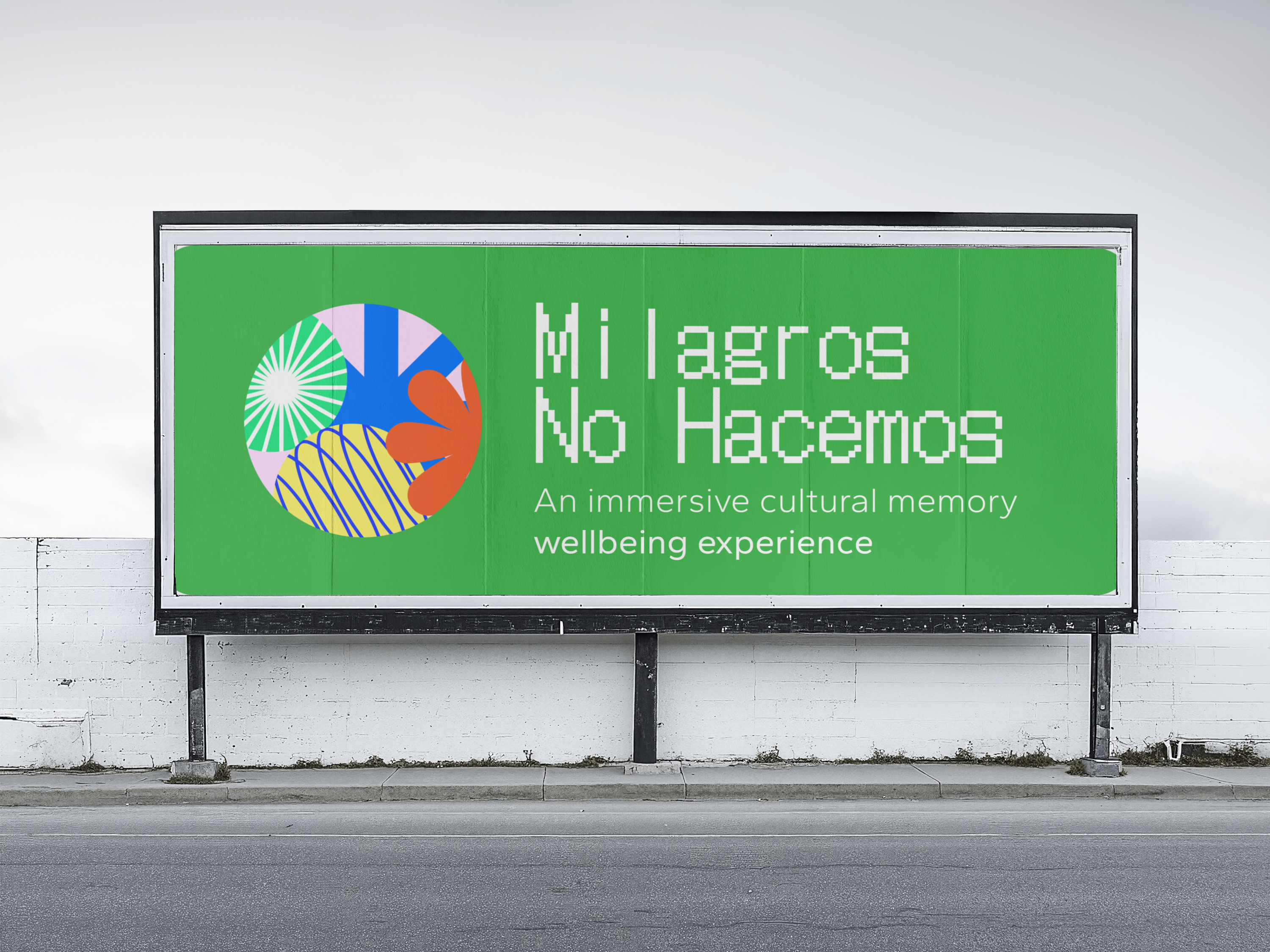
The approach of Milagros No Hacemos begins with listening to that
undeniable call of home, the sense of reconnection. It detaches our
cultural memory from its static and archival state and instead creates
a new horizon of possibilities — where our memories are now part of a
fluid, interpersonal dance that is alive, constantly growing, with healing
properties in the complexity of what refers to our migration journey.
DESIGN PRINCIPLES
RECONNECTION
I focused on emotional wellbeing, shared memory, and symbolic rituals
Cultural sovereignty & interpersonal growth
Does it challenge dominant narratives or reproduce them? Is it activism
or awareness?
It is Dialogue over conflict - Culture over tradition
Inclusive Design
Future-oriented, preventive and inclusive design, accessible information
for emotional and behavioural transformation
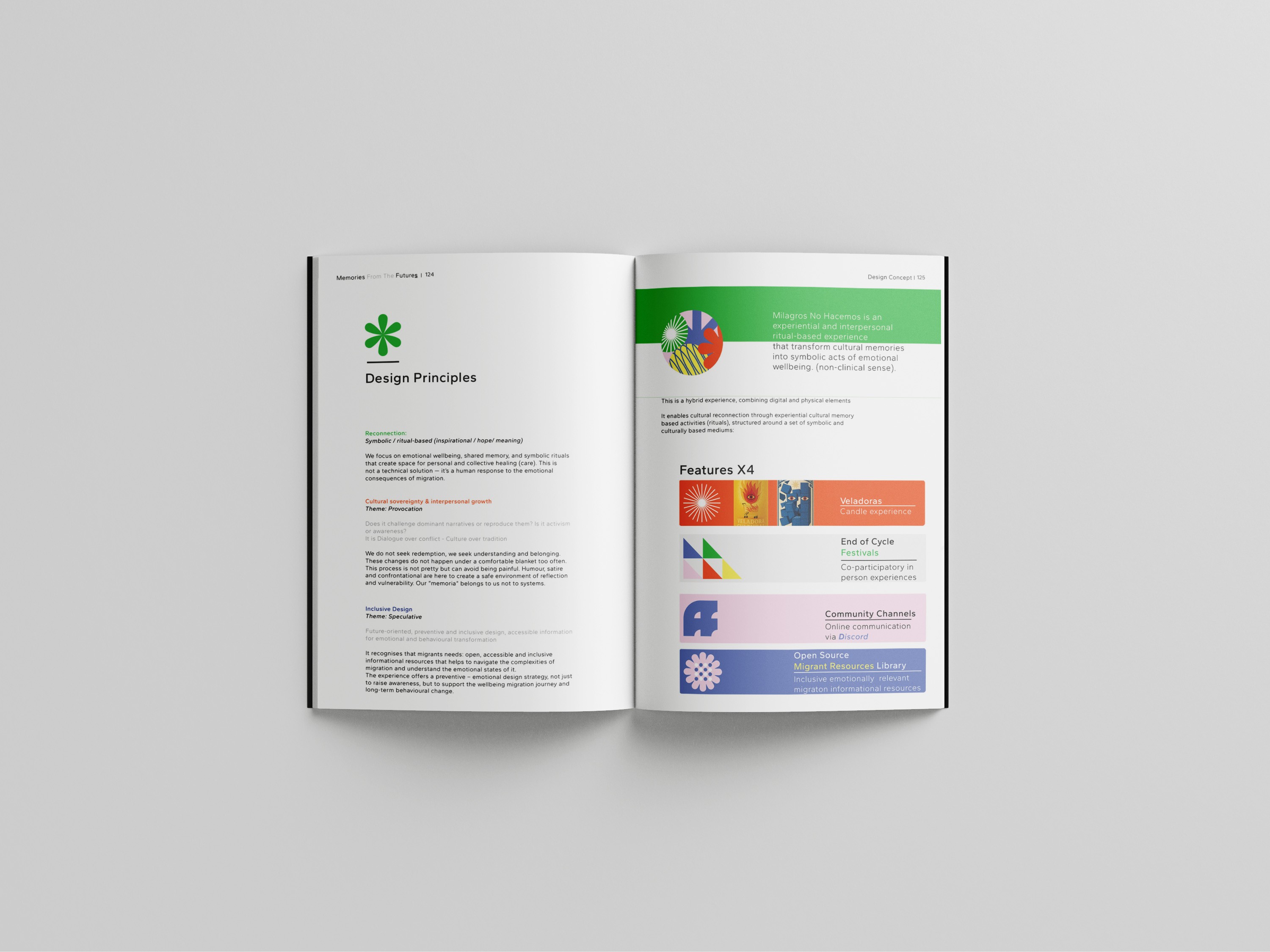
Milagros No Hacemos is an experiential and interpersonal ritual-based experience that transform cultural memories into symbolic acts of emotional wellbeing. (non-clinical sense).
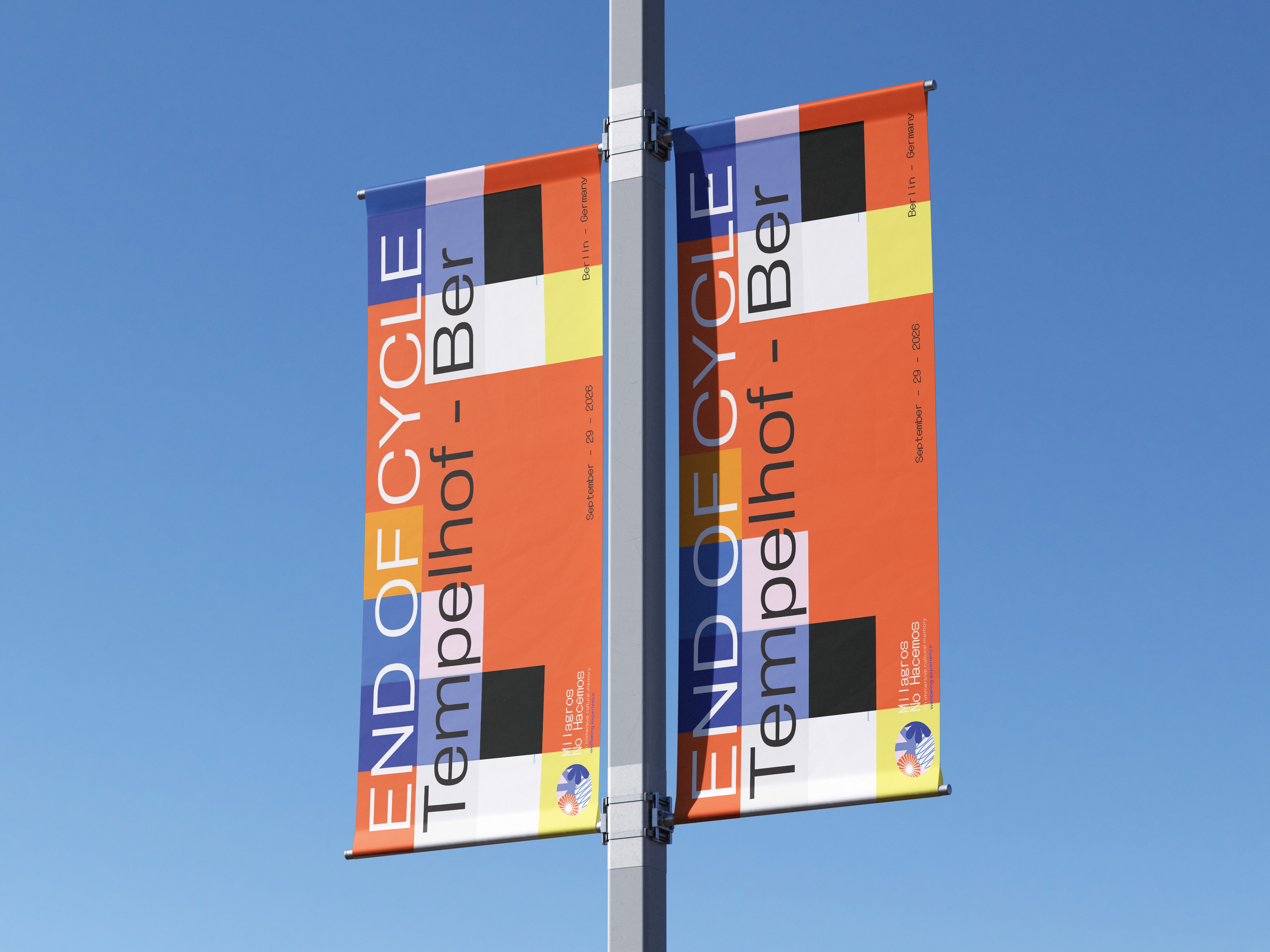
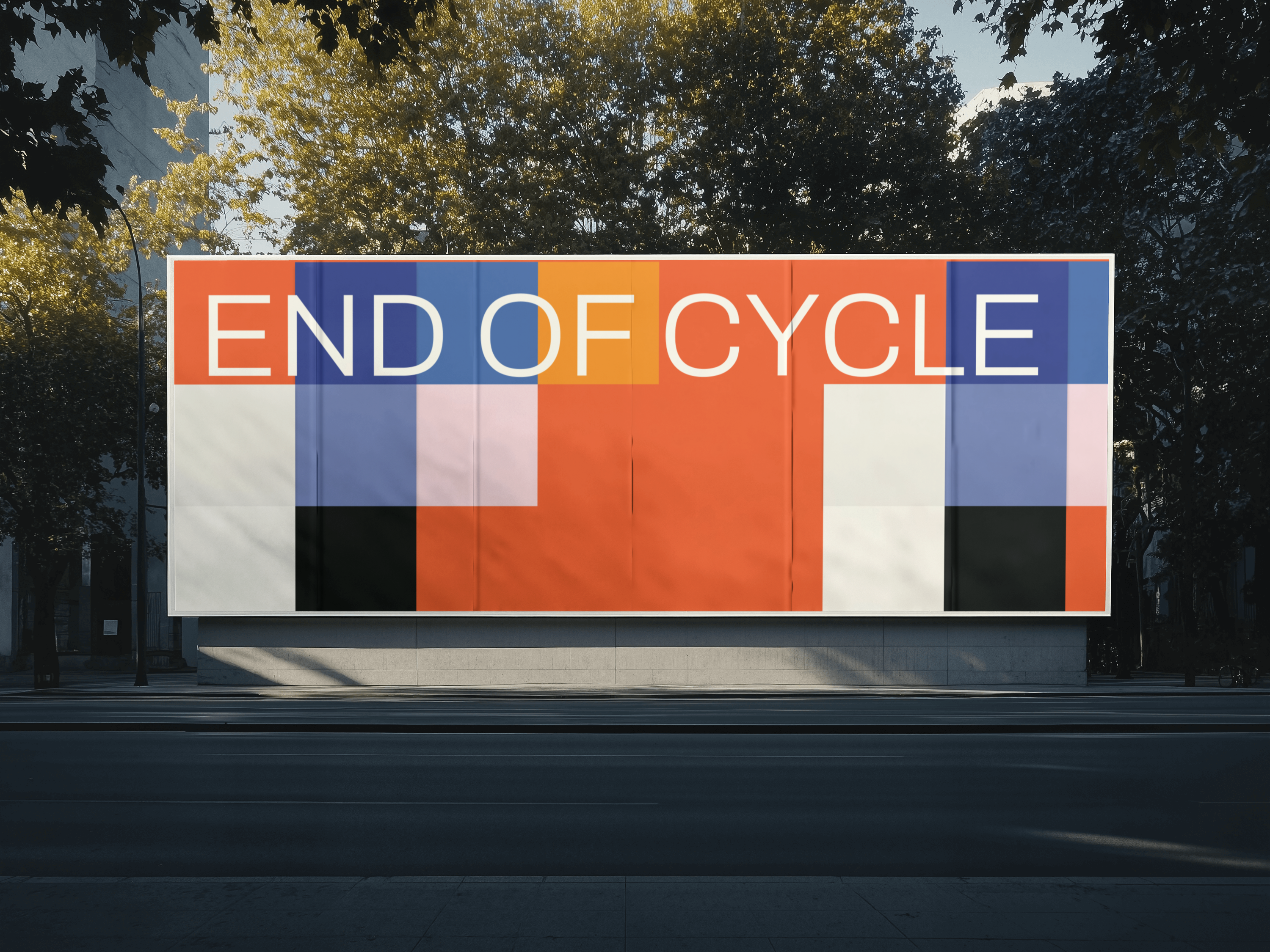
End of Cycle Festivals

Co-participatory in person experiences

Community Channels

Online communication
via Discord

Open Source
Migrant Resources Library

Inclusive emotionally relevant migraton informational resources


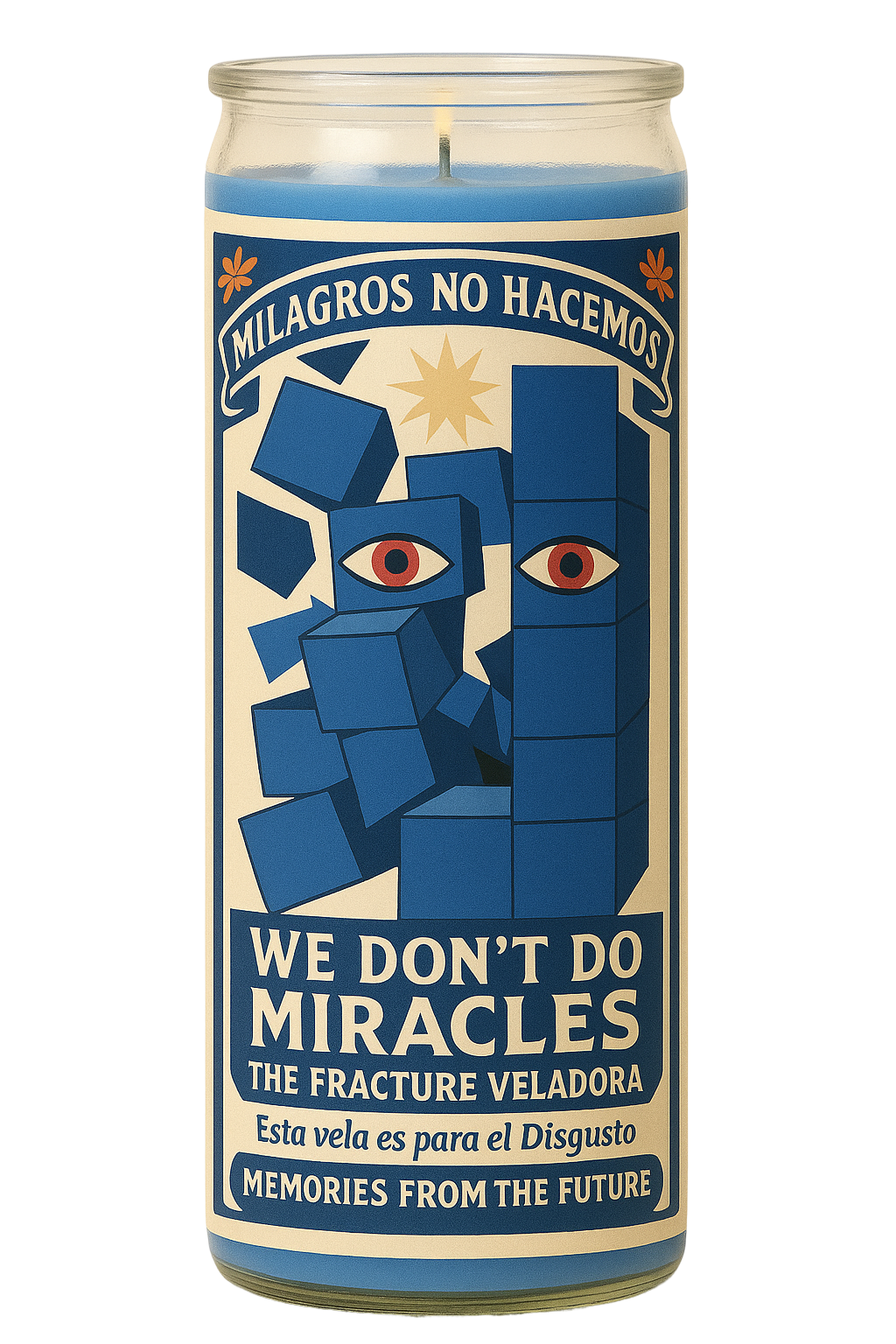
Veladoras

Candle experience
Main Feature
MAIN FEATURES
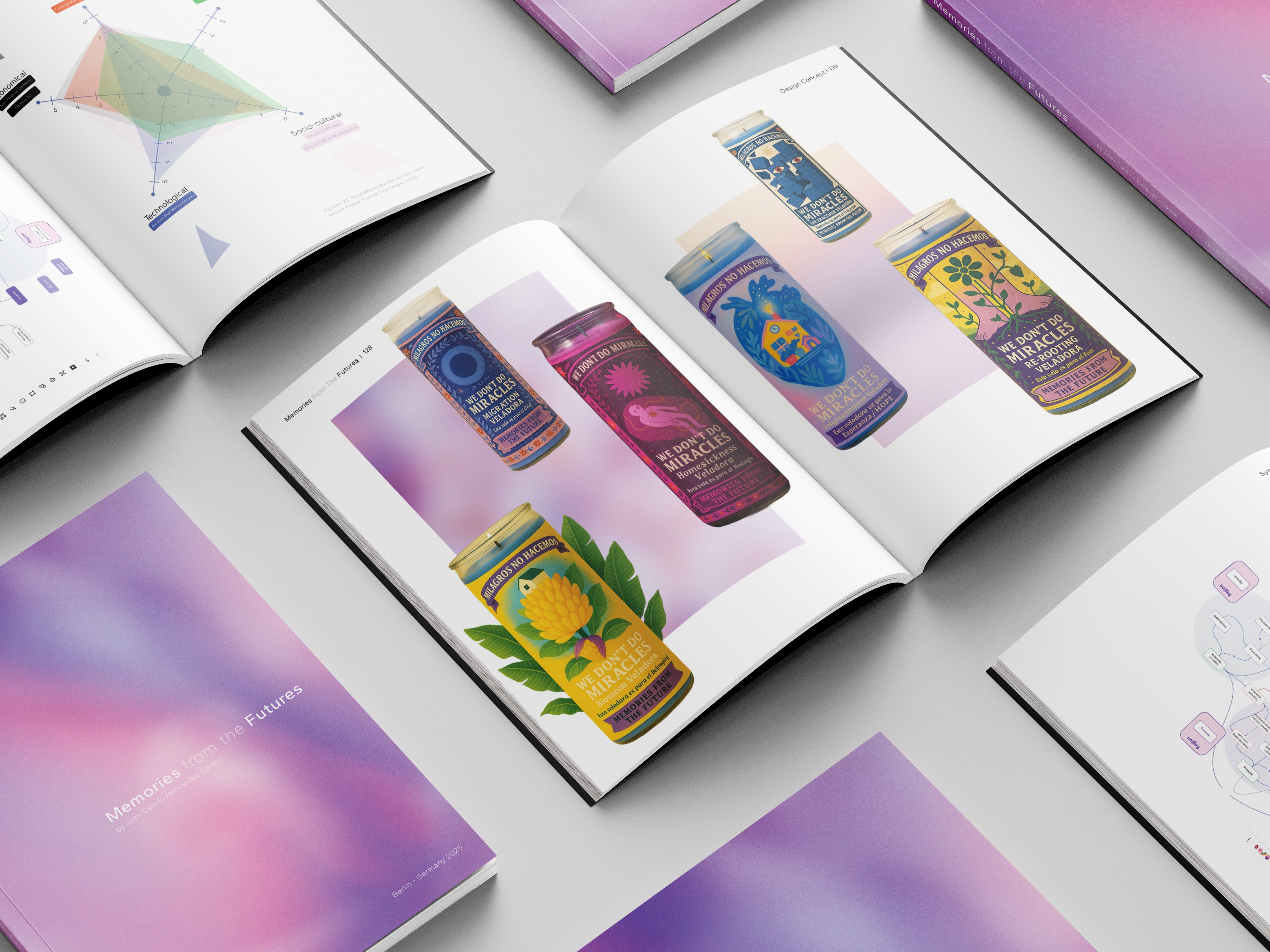
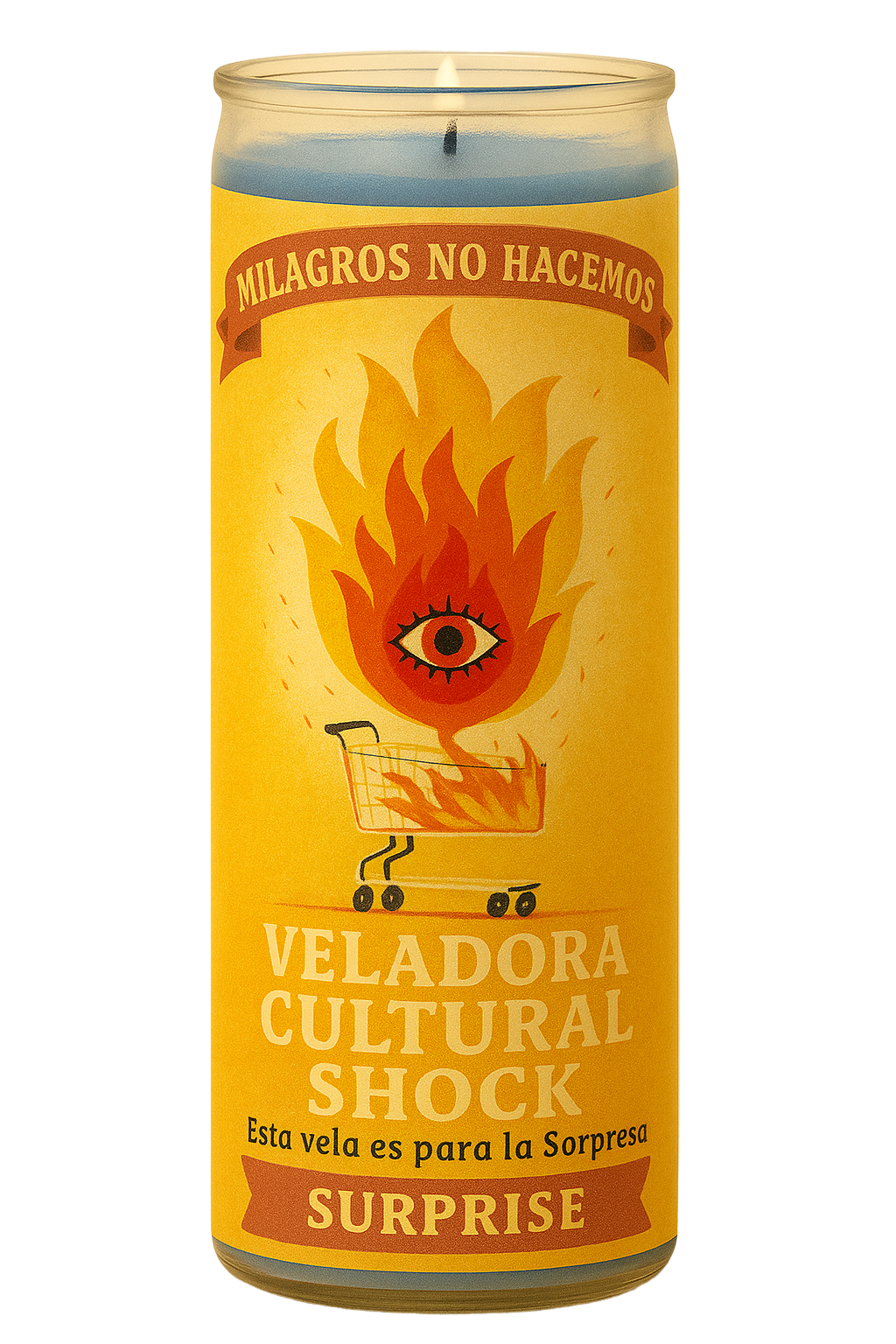
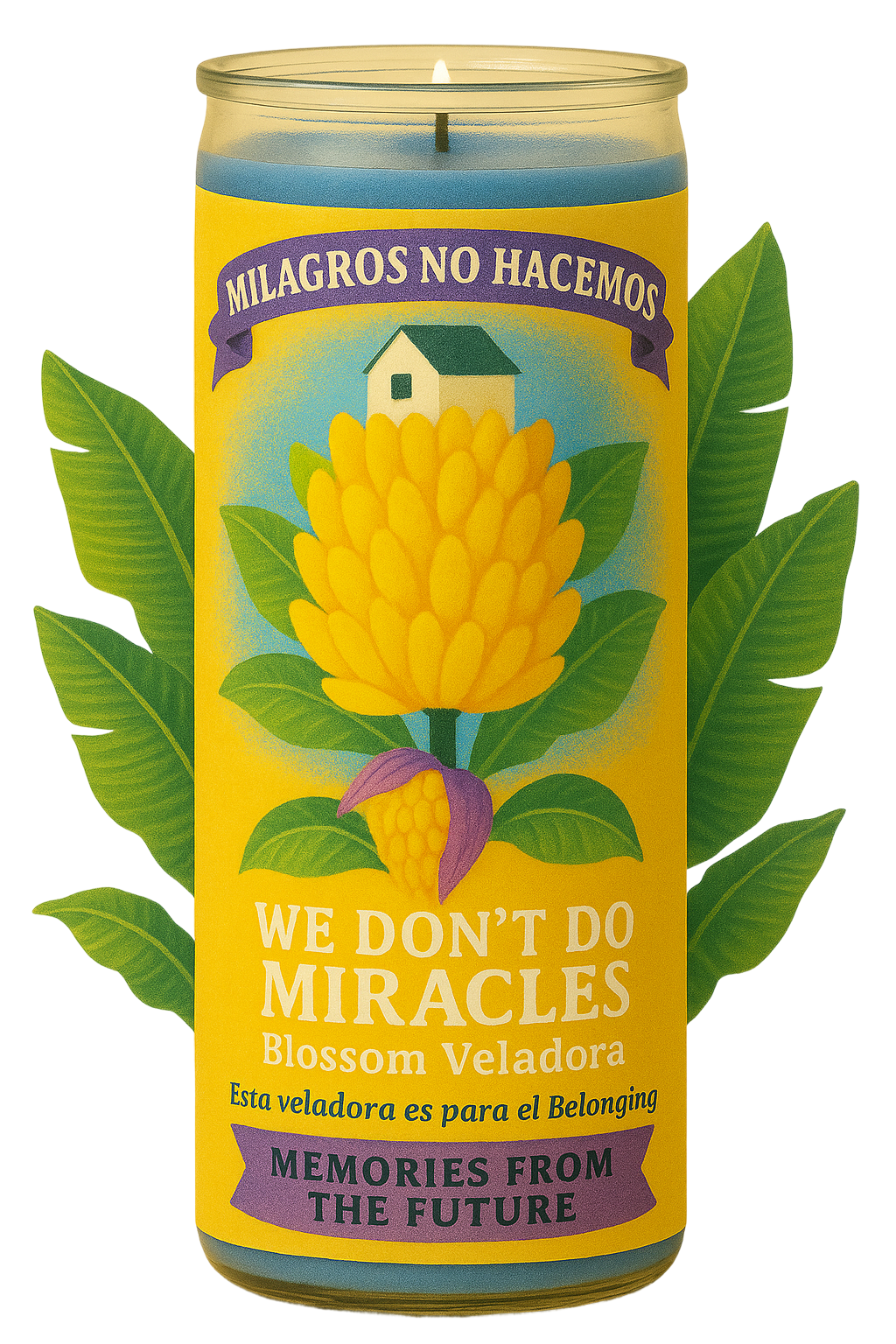
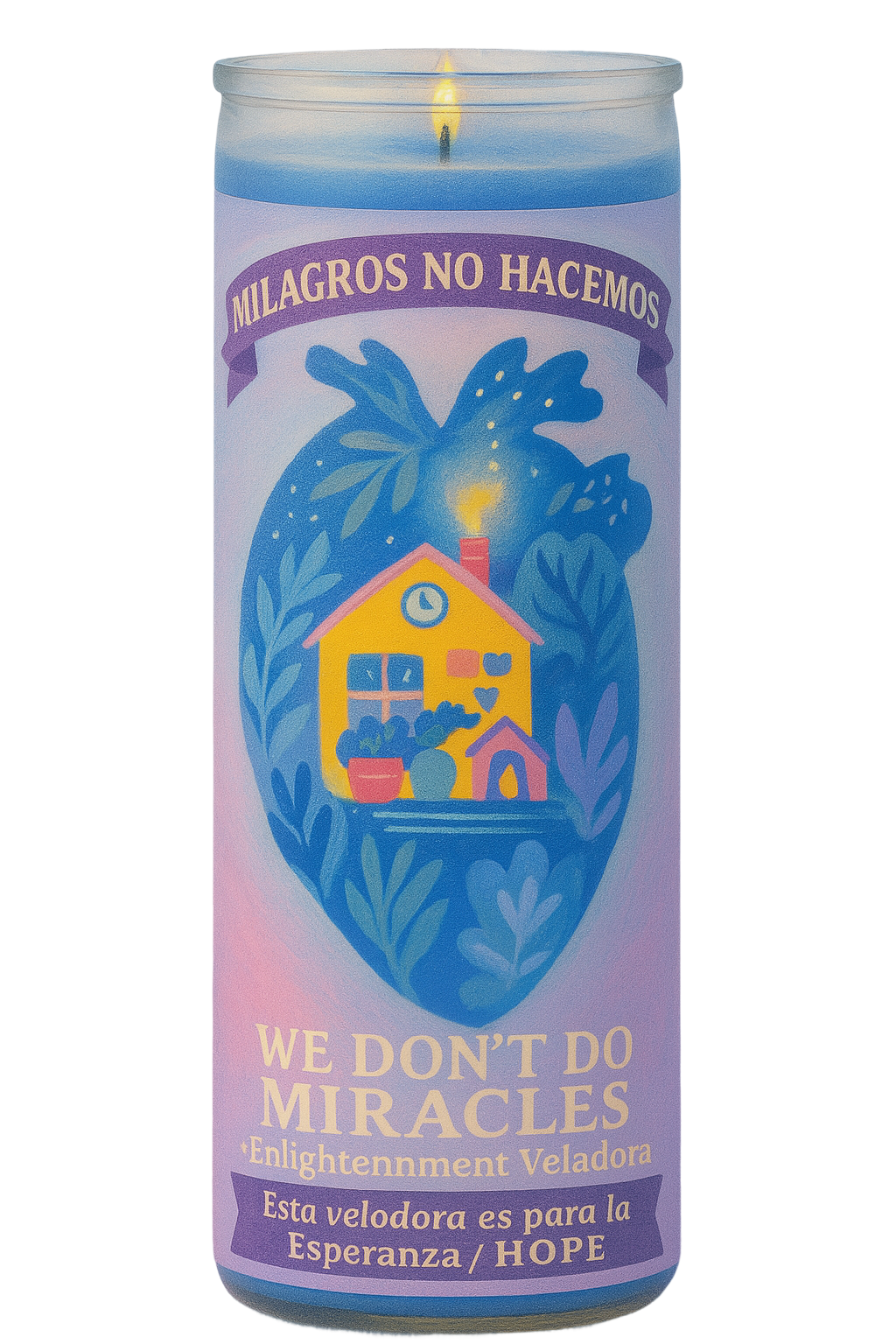
In Milagros No Hacemos, a veladora is not just a simple candle, it is a symbolic artefact of cultural memory, resistance, and an emotional experience portal. Inspired by Latin American ritual candles sold in local markets, each veladora in this project becomes a personal and collective emotional tool.
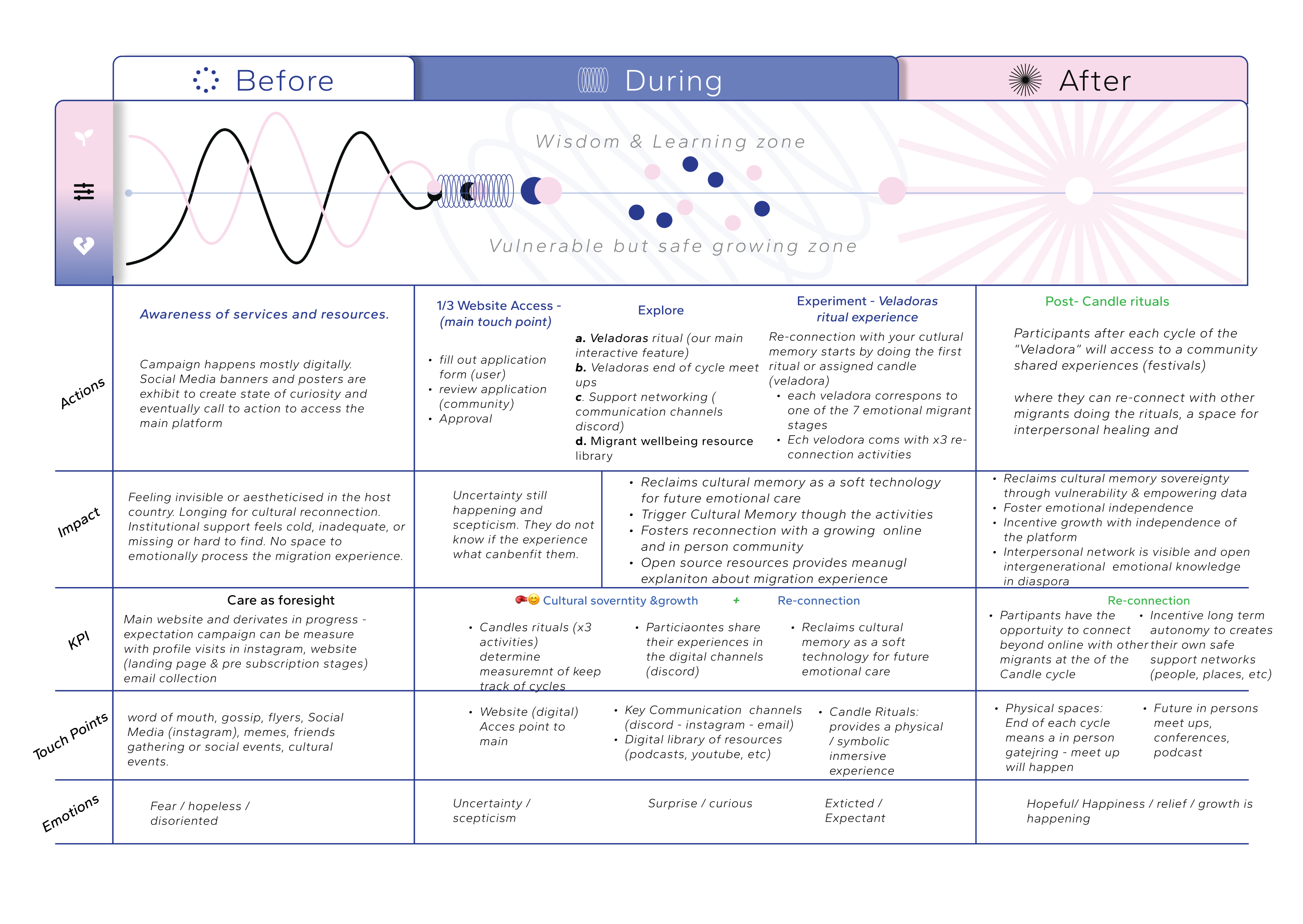
SERVICE BLUEPRINT (HOW IT WORKS)
Future cone
2030 / 2035 / 2040 - The futures
There is never one future,
Future cone
2030 / 2035 / 2040 - The futures
There is never one future,
Future cone
2030 / 2035 / 2040 - The futures
There is never one future,
Future cone
2030 / 2035 / 2040 - The futures
There is never one future,
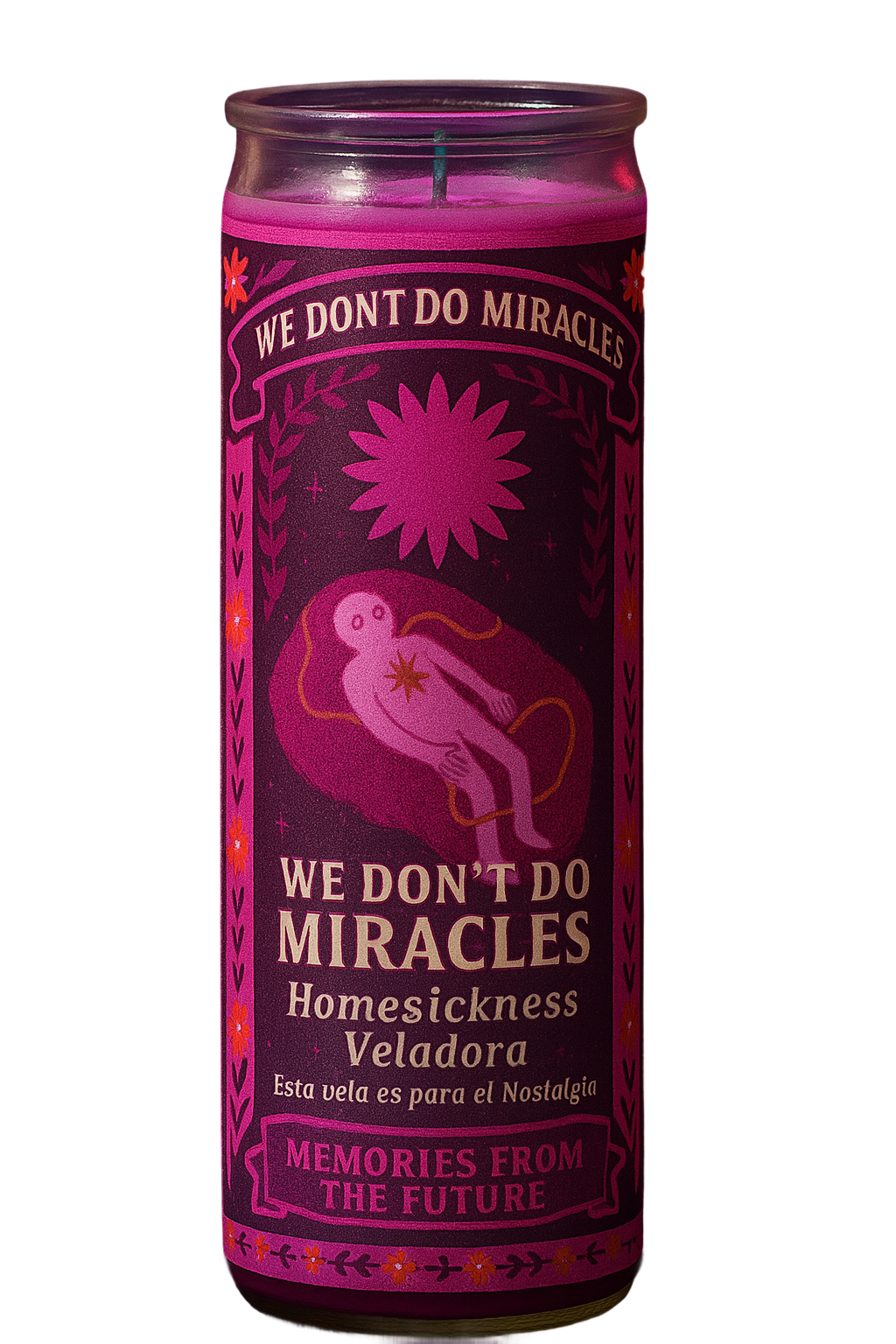
The main goal is to support the migrant’s wellbeing by using memory as the catalyst for reflection and emotional care. These experiences
– both individual and collective – are designed to transform cultural memories into emotional support, with the candle ritual a the centre of the process

Each “Veladora” correspond to one emotional stage of the migration journey map. These candles includes x3 ritual activities designed to evoke cultural memory and interpersonal care (eventually leading towards supporting wellbeing)
In Milagros No Hacemos, a veladora is not just a simple candle, it is a symbolic artefact of cultural memory, resistance, and an emotional experience portal. Inspired by Latin American ritual candles sold in local markets, each veladora in this project becomes a personal and collective emotional tool.
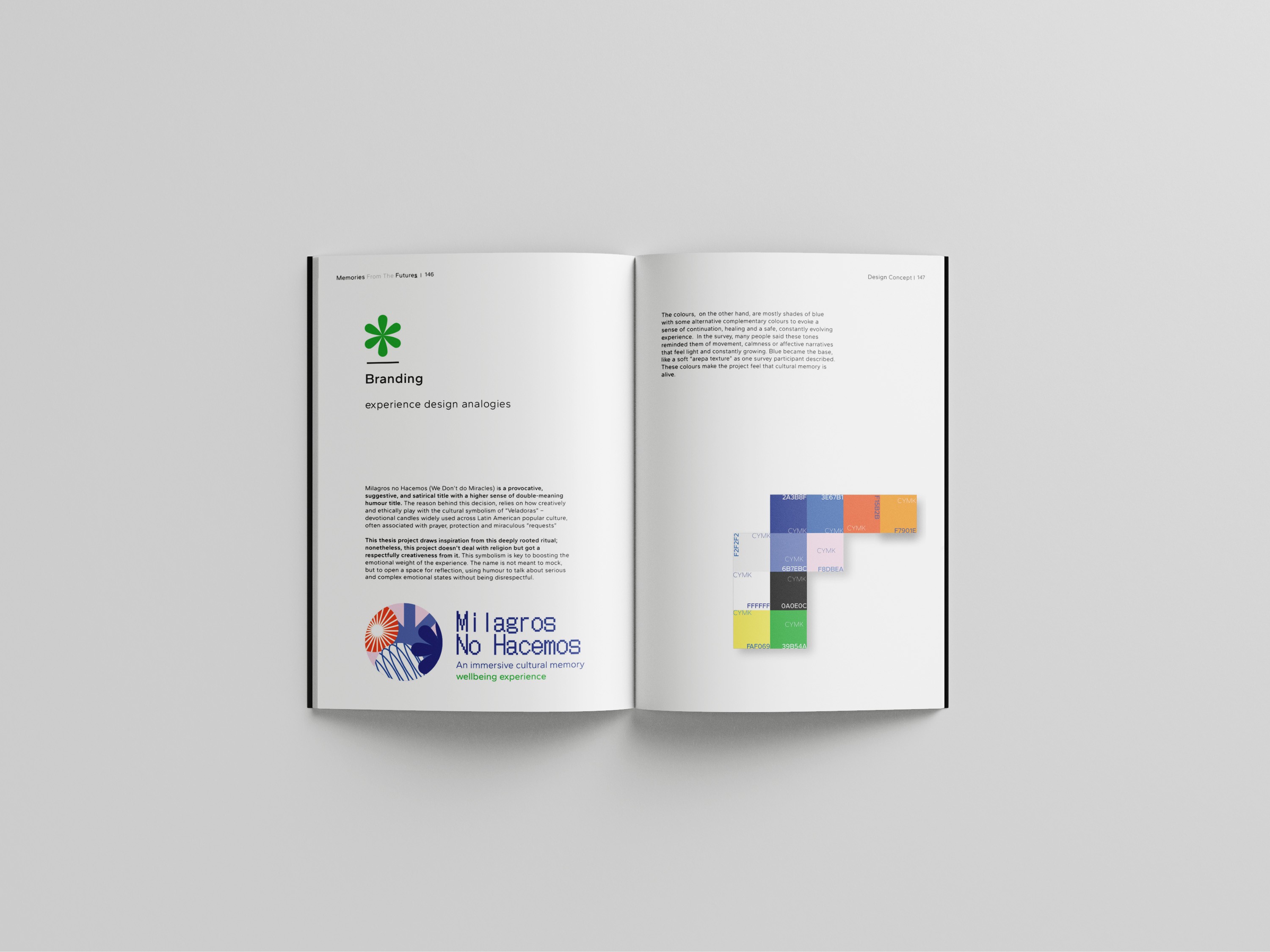

FUTURE SCALABILITY
Backcasting
foresight tool to scale up future impact
“is way of plotting the future or (futures) you want (or don’t want) and working backward in
time from the future to the present to identify any key milestones, events, infrastructures or
dependencies that necessary for that future to be realised” (Balagtas, 2024, p319)
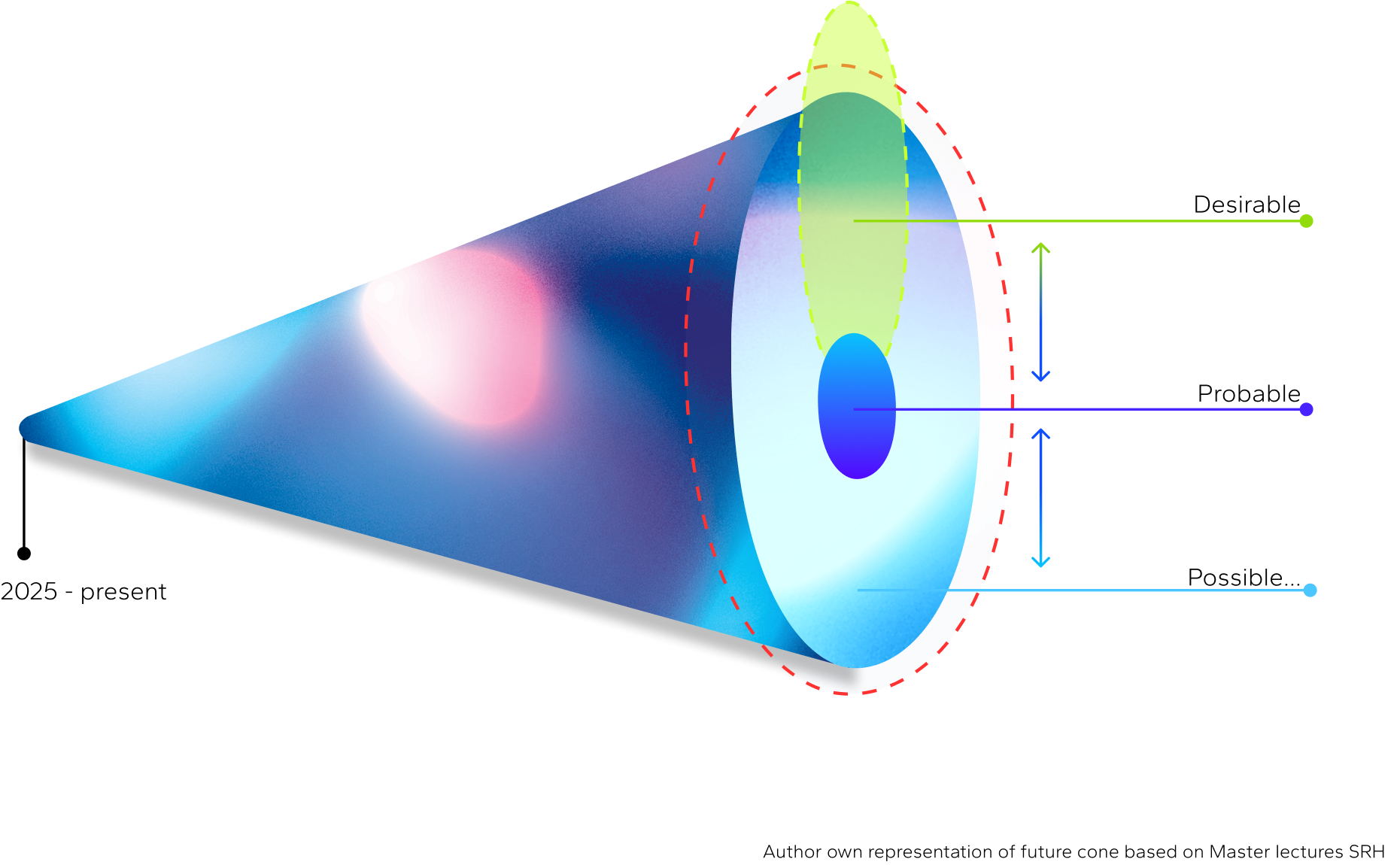
Backcasting became my way to make the future visible - to walk backwards from the world I wanted to exist until I reached the steps that could make it real. It helped me translate an emotional intention into a strategic pathway, transforming uncertainty into direction. Through it, Memories from the Futures evolved from a conceptual exploration into a living strategy - one that blends emotion, speculative futures, and cultural resilience. If remembering is political, then designing for memory becomes an act of care and resistance. This process reminded me that the future is not something we wait for; it is something we design, practice, and sustain collectively.
To envision this path, I used the Sustainable Business Model Canvas as a framework to ground the project’s future viability. It allowed me to map the values, relationships, and resources needed, while creating a realistic vision for this stage of my professional journey.
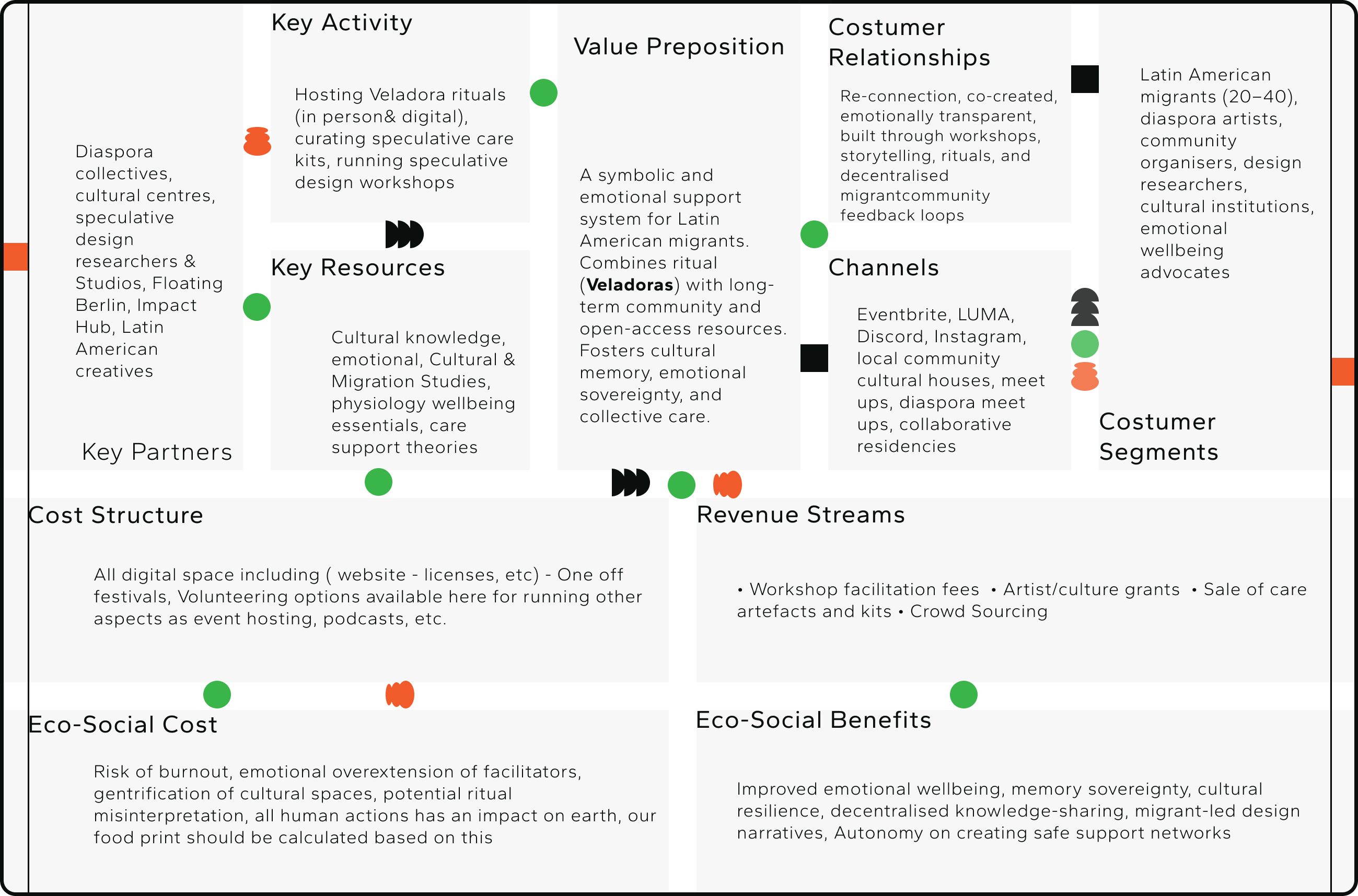
Yet, I remain critical of how cultural support structures in Europe and the Global North often operate - funding artistic expression while avoiding the deeper inequalities that migration exposes. In such a context, the future of this project cannot rely solely on institutional support. Its sustainability will always be shaped by political scenarios, by the shifting priorities of governments and cultural agendas that decide which futures deserve to be funded. Memories from the Futures stands within that tension - moving slowly, but with conviction, building from community trust rather than institutional permission.
→ READ THE THESIS HERE
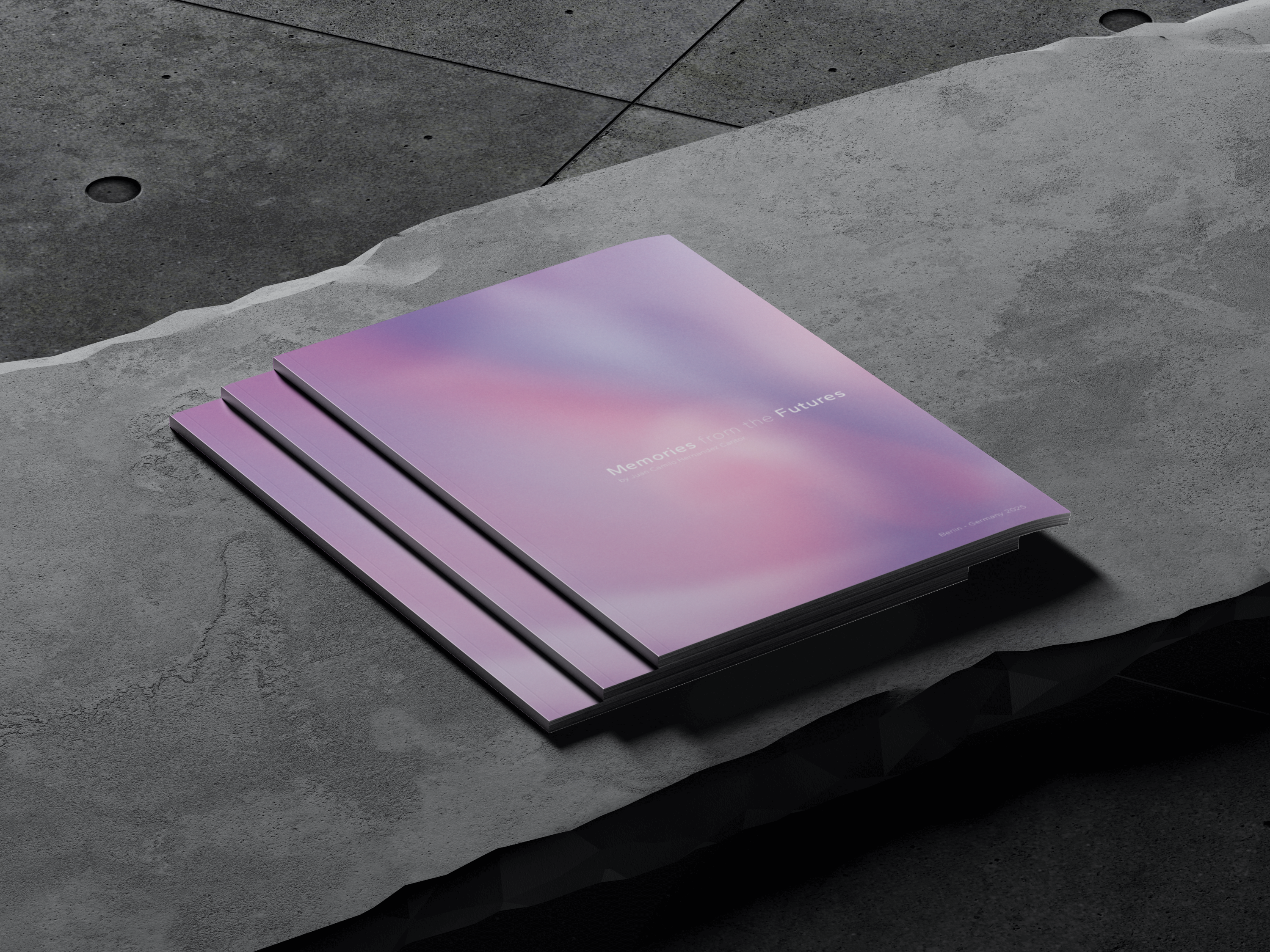
Like what you’re reading? Curious to know more about this or other projects?Let’s connect and explore future collaborations.
A virtual or in-person coffee could be the beginning.
EXPLORE +
→ TO PROJECTS
JUAN CAMILO
HERNANDEZ CANTOR
SERVICE - PRODUCT - DESIGNER


All rights reserved 2026 ©️
JUAN CAMILO HERNANDEZ CANTOR ©️
MEMORIES FROM THE FUTURES
M.A THESIS
Area
M.A THESIS
Year
2025
Location
Berlin - Germany 🇩🇪
Tags
Inclusive Design
Culture - Migration
Preventive Wellbeing
Future Thinking
Strategic Design
Memories from the Futures explores the tension between the impact of migration on the cultural memories of migrants in the Latin American diaspora. Providing a new future-oriented alternative for understanding and creating solutions to this universal human right.
I turned the fragility of cultural memory under systems of exclusion (often found in Global North narratives) into a space to apply the intersection of Strategic and Future Thinking - transforming the vulnerability of our memories under these conditions into creative, co-participatory healing approaches that reimagine cultural memory as an emotional and sensorial experience that supports the well-being and cultural sovereignty of the Latin American diaspora.
RESEARCH QUESTION
How might we reimagine cultural memory as an emotional and sensorial experience that supports the well-being of the Latin American diaspora?
Approach
Strategic design
Future thinking
Understanding
Synthesis
The futures


Synthesis

Research
Concept

Ideation
World building
Scenarios
Backcasting
Speculation & discourse
Implement

Prototyping


Blending Strategic Design with Future Thinking was courageous, but also a very assertive move in the early stages of this project’s management. It was the first time I overlapped these two extraordinary ways of understanding my problem. This decision created a more versatile way of de-complexing the thesis -allowing me to set more realistic goals, short-term objectives, and a flexible yet strict timeline of deadlines.
The results were incredibly resourceful and had an immediate impact on the design process, from research to the future scalability of the project.
A NEW WAY TO DO RESEARCH?
Interviews
+12 (user & expert interviews)
Survey
+40 responses from Colombia - Australia - USA -Germany - Spain -
Immersive conversations
Applied future scenarios in semi-structured interviews
We always talk about the future, and we imagine how our research might look like. Well, here was one fo the most chaotic but satisfying parts.
Navigating the complexity of doing design research, can be a demanding, fun and never ending phase. So to not lose this battle i had to set very clear goals at they were:
- Decolonise as much as I could how I collect academic data - balance it and highlight the diversity from both worlds (global South and global north), focusing on use cultural nuances to validate life based experiences in the diaspora (including myself)
- Have fun and pleasant conversations when interviewing user and experts
- Collecting data by immersion and foresight methods as trend scanning.
RIGHTS FOR ALL - TRANSPARENT - HUMAN AND ...
I re-discovered a trend that you can feel in the air in many global north capitals, as it is Berlin. As the city grows, more migrants come, from different realities, cultural backgrounds and geopolitical complexities. It is the responsibility of the hosting country to safe guard their wellbeing? do they they have the sufficient resources to cope with unfolding . a new life in foreign ground? This trend was a highlight in my research as it explores the social responsibility and transparency of governments in include their citizens in their future decisions, in assessing humanitarian solutions.
USING FUTURE SCENARIOS TO BREAK MONOLOGUES AND SHALLOW CONVERSATIONS
Having interview in cafes in Berlin could be extremely hipster or a very good way to explore / enjoy the creative ecosystem that the city landscape provide. Apart from this pleasure, I added more “picante” or a wild card in the semi-structured interviews. This was the future scenarios.
They provide a very dynamic and fun ice breaker to see how participates ( user and expert ) might think about the future of cultural memories from migrants aways from data and dominant narratives archives in museums ( as it is the present now in many western museums), the power of AI with projects like Synthetic memories or the future of society with nowadays conversations with Futurium museum Berlin
This was a game changer in my research as it helped me to be more authentic ( i am a great human connector) and to empower my way to have meaningful connections in topics that matter.

SYNTHESIS
Interviews
+12 (user & expert interviews)
Immersive conversations
Unthighten nodes, connecting new realtons, making sense of data
Survey
+40 responses from Colombia - Australia - USA -Germany - Spain -
SUMMARY
Realising nodes, connecting new relations, making sense of data & making sense of complexity.
Here is where many classical design methods such as stakeholder map - journey map - personas come into place. I used some of them they are fantastic tools but I innovate and I glad I did in finding new paragigs with:
- CLA + STEEP Analysis
- Future scenarios 2nd versions
- Emotional journey of migration (decolonised - latin@ version)
- From Persona to Community personas
FUTURE SCENARIOS (UPDATED VERSIONS) - AI
I started using AI prompts as part of my design exploration - testing how emotions, memories, and research insights could take visual form. To guide this process, I followed a simple structure: subject and activity, environment and setting, mood and lighting, innovation and technology. This method helped me translate complex ideas into clearer compositions while keeping space for unpredictability. Each iteration felt closer to the lived experiences I was trying to represent — imperfect, emotional, and real.
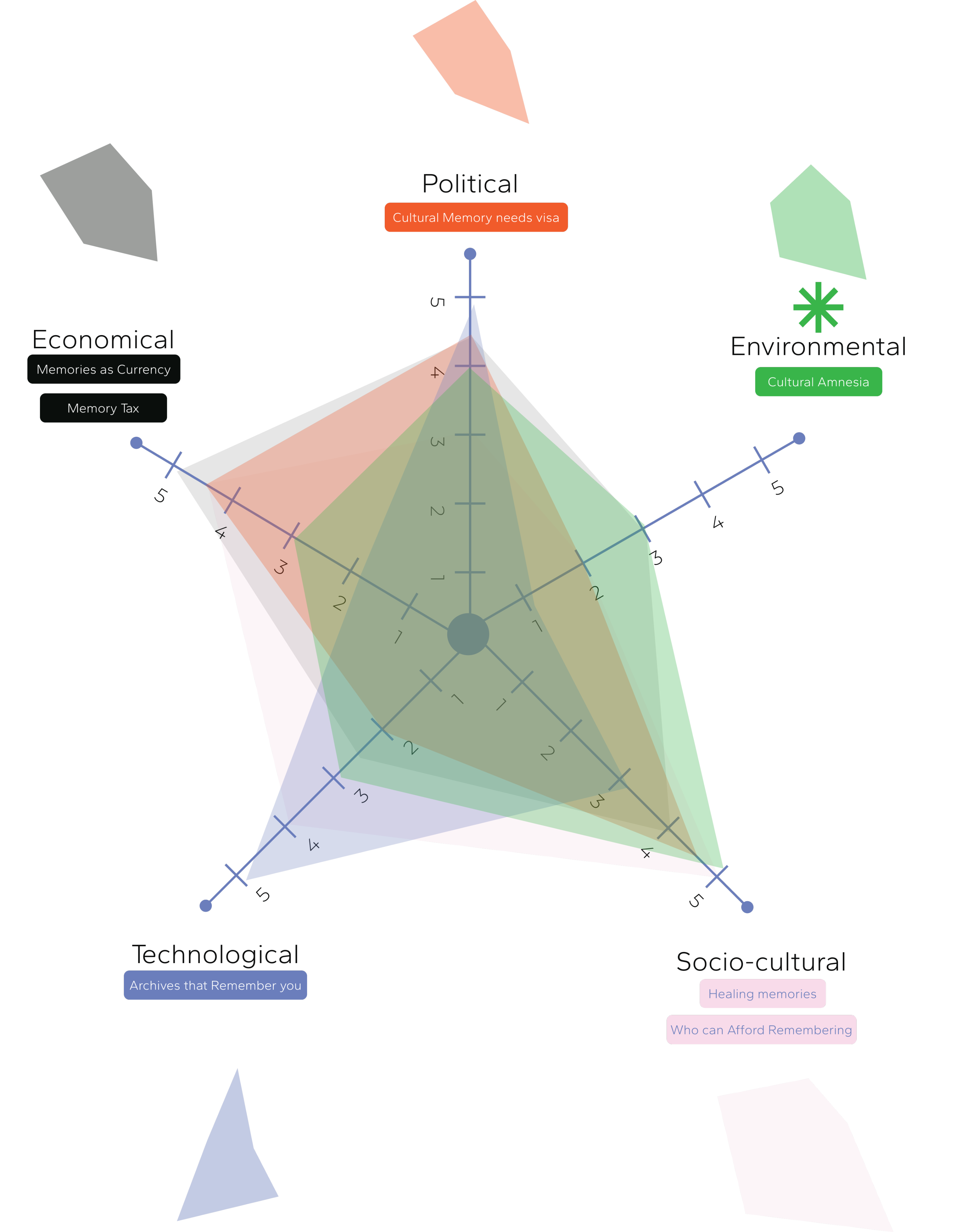
Spider Web of future Scenarios
MIGRATION JOURNEY MAP
DECOLONISED - LATIN AMERICAN VERSION
Migrating will always involved a tension, even more if that wasn’t your arbitrarily choice. In westerns clusters countries which rely on migrant labour to sustain their economies for example, their approach of migration is always steady, predictable and “easy”. Across my research I found common pains, in which this stereotypes only reinforce this dominant and not inclusive narrative to advocate for migration as human right not a burden or just simple humanitarian wash aid. The links were obvious, to ours that are often misunderstood, stereotypes and fragmented.
I propose a new way to see this, in which our memories are not detached from their embodied layers, their emotions.
Current representation of migration in global north narratives
🖱️ Scroll right →
COMMUNITY PERSONAS
I decided to move from individual personas to community personas because the experiences I was studying were not isolated but collective. Migration, memory, and belonging are shaped by shared emotions, rituals, and social networks. The community persona allowed me to represent these interdependent dynamics — not a single user, but a living ecosystem of voices, needs, and memories influencing each other.

IDEATION
Multicultural workshop
+15 participants from Colombia - Mexico - Costa Rica - Australia - India - Turkey
BLEND OF IDEATION METHODS
X3 stages - 3 Methods to stimulate creativity in a immersive - inclusive and fun way
UNA LLORADITA Y A MIMIR
A future oriented workshop
OBJECTIVES
- Have fun but also use the vulnerability of migration to trigger more emotional-centred responses, those who do not run away from the emotional state of migration (based on the emotional cycle of migration).
- Blend strategic design + foresight methods to harvest wild realistic/future ideas.
- Use satire and emotional-centred approaches to unveil hidden latent needs in the participants’ thinking.
- 2x1: Test and iterate assumptions from synthesis beyond the academic scope using foresight thinking.
- Centred ideas in pre-existing scenarios (those used during the interview sessions but improved).
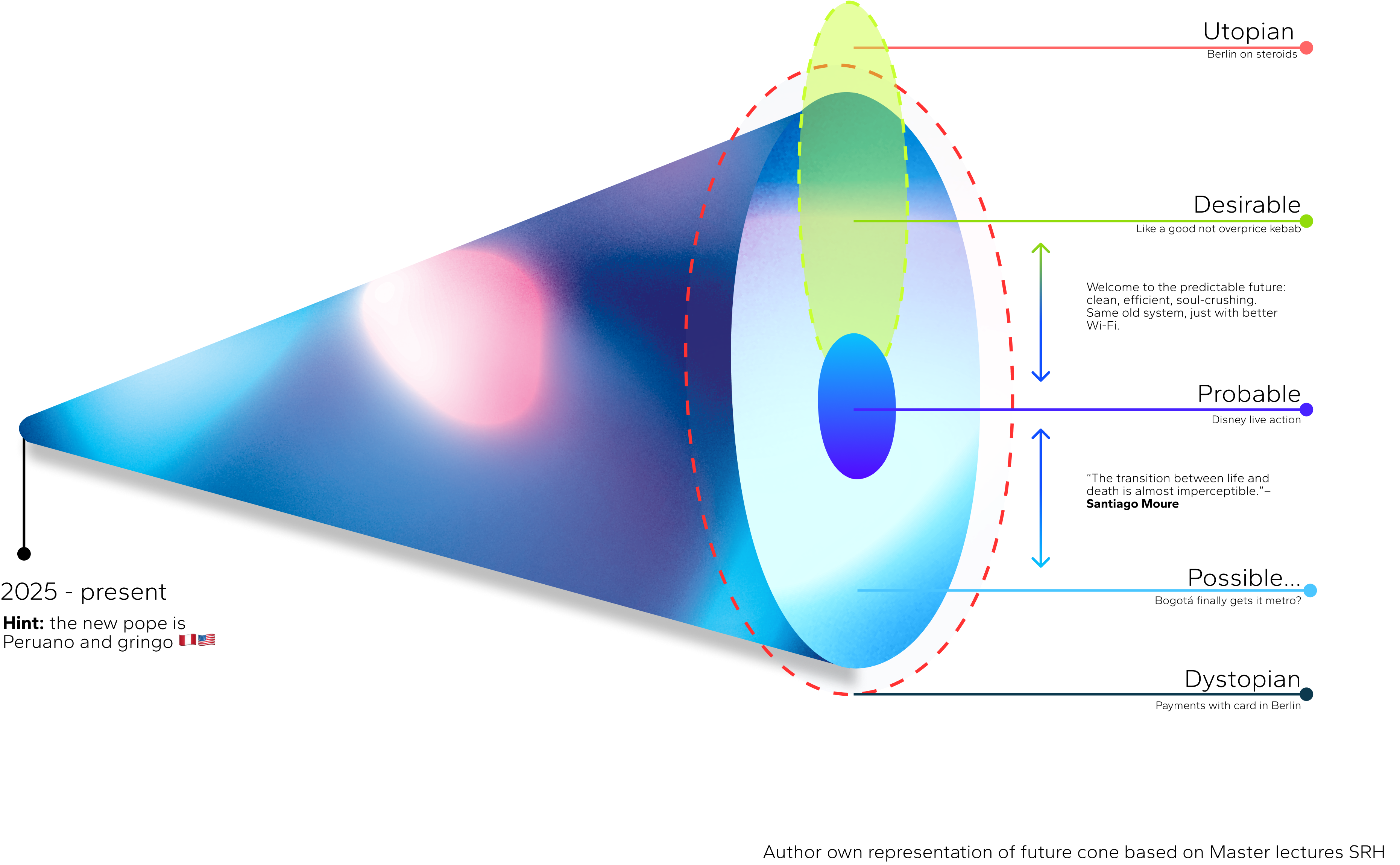
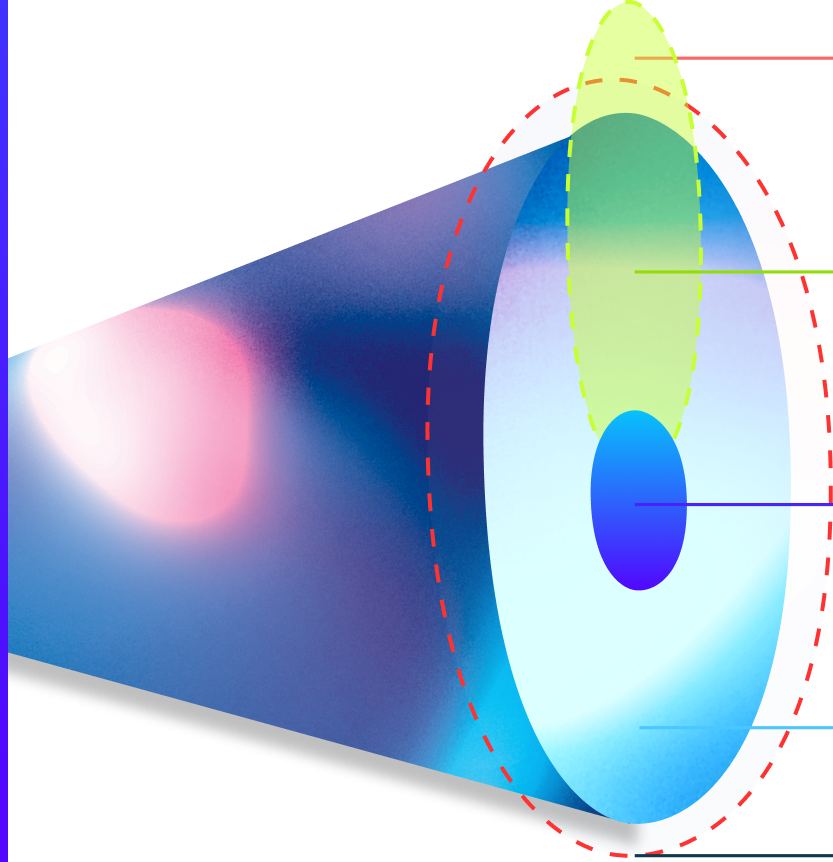
Future cone
2030 / 2035 / 2040 - The futures
There is never one future,


2025 - present
Utopian
Desirable
Probable
Possible...
Dystopian
Welcome to the predictable future: clean, efficient, soul-crushing.
Same old system, just with better Wi-Fi.
“The transition between life and death is almost imperceptible.”– Santiago Moure
Like a good not overprice kebab
Disney live action
Bogotá finally gets it metro?
Payments with card in Berlin
Berlin on steroids
Hint: the new pope is Peruano and gringo 🇵🇪🇺🇸
Author own representation of future cone based on Master lectures SRH


LESSONS
- Emotion is data. Vulnerability is not a weakness - it’s a door. The workshop showed how embracing the emotional state of migration can open deeper, more authentic conversations about belonging and well-being.
- Strategic design meets foresight. Blending both methods was a way of harvesting wild, yet realistic future ideas that stayed grounded in people’s lived experiences.
- Humour as resistance. Using satire and emotional-centred provocations helped unveil the hidden, often unspoken needs in participants’ stories and thinking.
- Beyond the academic frame. Each prototype was a chance to test and iterate assumptions outside traditional research boundaries, using foresight as a bridge between imagination and action.
- Scenarios. Every idea was never floating in space. The speculative scenarios provided a grounded landscape, yet during testing many participants commented that most of them felt deeply disruptive — sometimes pessimistic. But maybe that’s part of the reality, or the distorted feeling of being a migrant.

CONCEPT CREATION
A SPECULATIVE DESIGN FOR DISCOURSE & PROVOCATION
/
“The intent of this future design is to
provoke or stimulate it audiences to discuss
the future scenario, ecosystem,
product, services or general idea” (Balagtas, 2024, p. 42)
APPROACH
The approach of Milagros No Hacemos begins with listening to that
undeniable call of home, the sense of reconnection. It detaches our
cultural memory from its static and archival state and instead creates
a new horizon of possibilities — where our memories are now part of a
fluid, interpersonal dance that is alive, constantly growing, with healing
properties in the complexity of what refers to our migration journey.
DESIGN PRINCIPLES
RECONNECTION
I focused on emotional wellbeing, shared memory, and symbolic rituals
Cultural sovereignty & interpersonal growth
Does it challenge dominant narratives or reproduce them? Is it activism
or awareness?
It is Dialogue over conflict - Culture over tradition
Inclusive Design
Future-oriented, preventive and inclusive design, accessible information
for emotional and behavioural transformation
Milagros No Hacemos is an experiential and interpersonal ritual-based experience that transform cultural memories into symbolic acts of emotional wellbeing. (non-clinical sense).
End of Cycle Festivals
Co-participatory in person experiences

Community Channels
Online communication
via Discord
Open Source
Migrant Resources Library
Inclusive emotionally relevant migraton informational resources

Veladoras
Candle experience
Main Feature
MAIN FEATURES
In Milagros No Hacemos, a veladora is not just a simple candle, it is a symbolic artefact of cultural memory, resistance, and an emotional experience portal. Inspired by Latin American ritual candles sold in local markets, each veladora in this project becomes a personal and collective emotional tool.
SERVICE BLUEPRINT (HOW IT WORKS)
Future cone
2030 / 2035 / 2040 - The futures
There is never one future,
Future cone
2030 / 2035 / 2040 - The futures
There is never one future,
Future cone
2030 / 2035 / 2040 - The futures
There is never one future,
Future cone
2030 / 2035 / 2040 - The futures
There is never one future,
The main goal is to support the migrant’s wellbeing by using memory as the catalyst for reflection and emotional care. These experiences
– both individual and collective – are designed to transform cultural memories into emotional support, with the candle ritual a the centre of the process

Each “Veladora” correspond to one emotional stage of the migration journey map. These candles includes x3 ritual activities designed to evoke cultural memory and interpersonal care (eventually leading towards supporting wellbeing)
In Milagros No Hacemos, a veladora is not just a simple candle, it is a symbolic artefact of cultural memory, resistance, and an emotional experience portal. Inspired by Latin American ritual candles sold in local markets, each veladora in this project becomes a personal and collective emotional tool.
Future cone
2030 / 2035 / 2040 - The futures
There is never one future,
Future cone
2030 / 2035 / 2040 - The futures
There is never one future,
Future cone
2030 / 2035 / 2040 - The futures
There is never one future,
Future cone
2030 / 2035 / 2040 - The futures
There is never one future,

FUTURE SCALABILITY
BACKCASTING
Foresight tool to scaling up future impact
“is way of plotting the future or (futures) you want (or don’t want) and working backward in
time from the future to the present to identify any key milestones, events, infrastructures or
dependencies that necessary for that future to be realised” (Balagtas, 2024, p319)
Backcasting became my way to make the future visible - to walk backwards from the world I wanted to exist until I reached the steps that could make it real. It helped me translate an emotional intention into a strategic pathway, transforming uncertainty into direction. Through it, Memories from the Futures evolved from a conceptual exploration into a living strategy - one that blends emotion, speculative futures, and cultural resilience. If remembering is political, then designing for memory becomes an act of care and resistance. This process reminded me that the future is not something we wait for; it is something we design, practice, and sustain collectively.
To envision this path, I used the Sustainable Business Model Canvas as a framework to ground the project’s future viability. It allowed me to map the values, relationships, and resources needed, while creating a realistic vision for this stage of my professional journey.
Yet, I remain critical of how cultural support structures in Europe and the Global North often operate - funding artistic expression while avoiding the deeper inequalities that migration exposes. In such a context, the future of this project cannot rely solely on institutional support. Its sustainability will always be shaped by political scenarios, by the shifting priorities of governments and cultural agendas that decide which futures deserve to be funded. Memories from the Futures stands within that tension - moving slowly, but with conviction, building from community trust rather than institutional permission.
→ READ THE THESIS HERE
Like what you’re reading? Curious to know more about this or other projects?Let’s connect and explore future collaborations.
A virtual or in-person coffee could be the beginning.
EXPLORE +
→ TO PROJECTS
JUAN CAMILO HERNANDEZ CANTOR
SERVICE - PRODUCT - DESIGNER
All rights reserved 2026 ©️